Moisturiser for Dry Skin That Won’t Break Out
Finding a moisturiser for dry skin that doesn’t trigger breakouts can feel like trying to order coffee with ten modifications and still getting the wrong drink. Dry skin wants richer textures, acne-prone skin wants lighter ones, and your nose wants to veto anything that smells like a department store fragrance counter.
At Hespere, we keep this stuff plain: what’s in the bottle, what it tends to do on real skin, and which tradeoffs you’re actually making when you pick budget, drugstore, or premium. If your skin gets tight after a shower but also throws a tantrum when products feel heavy, you’re not alone, and you’re not “doing it wrong.”
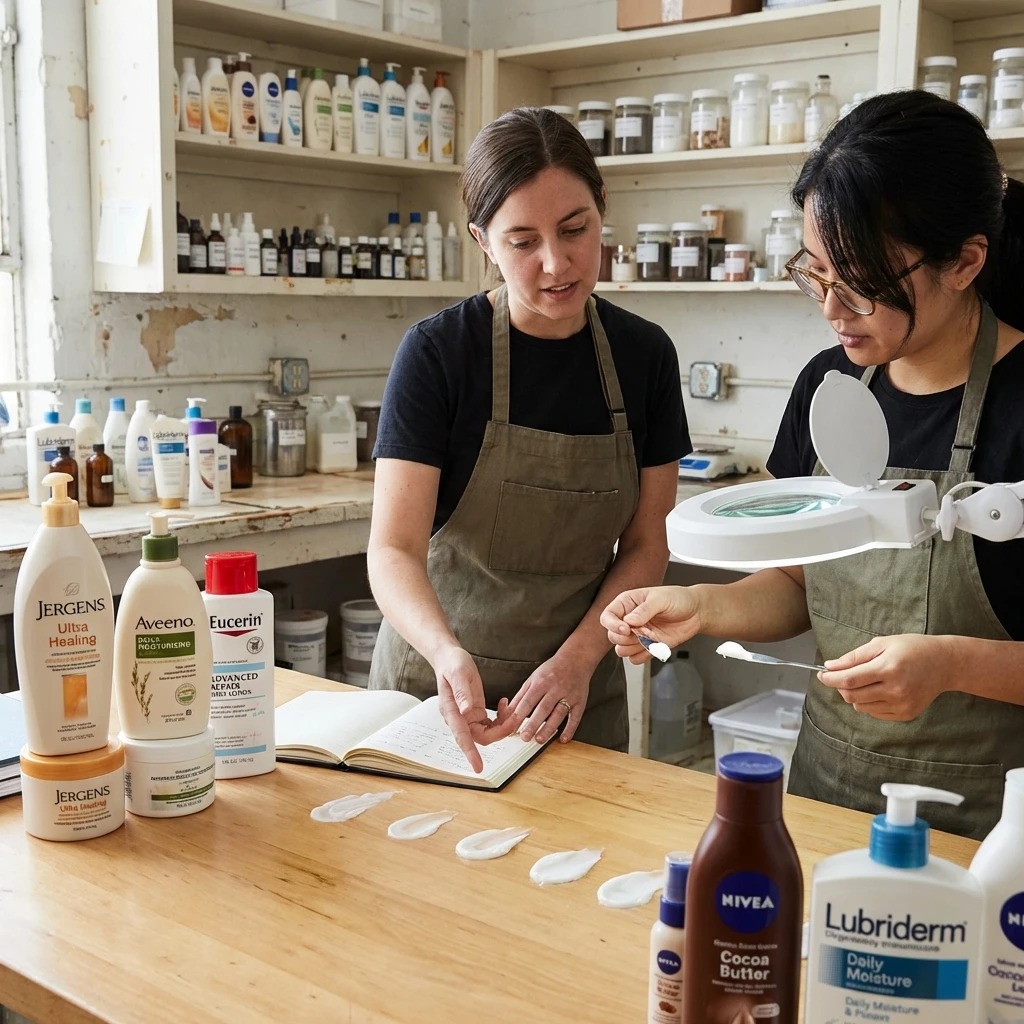
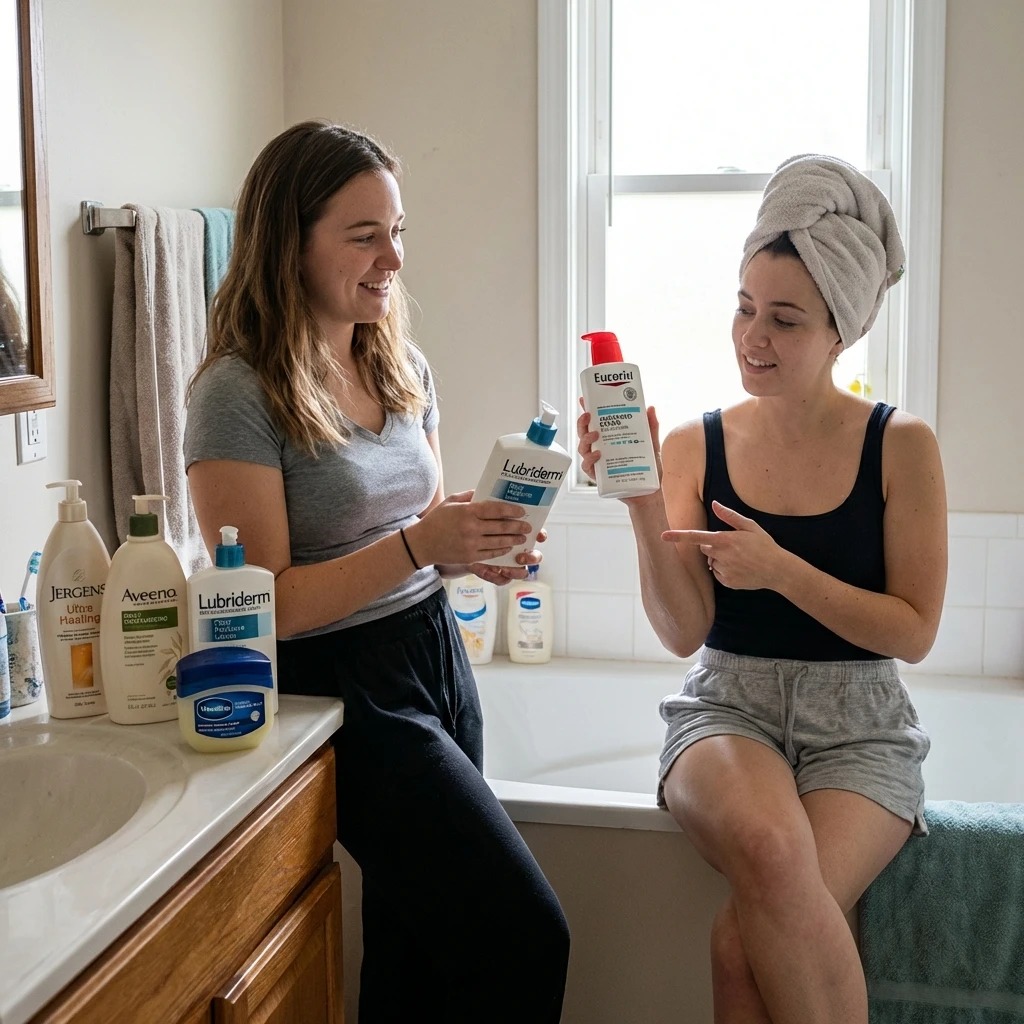
This guide is a side-by-side buyer’s framework, using ten body moisturizers and one classic occlusive, so you can match the product to your skin’s behavior instead of guessing in the aisle.
“As an Amazon Associate I earn from qualifying purchases.”
TL;DR (so you don’t overthink it)
- Dry, breakout-prone skin usually needs water plus barrier support, not just a thicker lotion
- The “breakout” problem often comes from layering too much, too fast, or pairing rich products with sweat and friction
- Fragrance and essential oils aren’t automatically bad, but they’re common deal-breakers for sensitive or reactive skin
- Think in categories: daily lightweight, sensitive-skin safe, repair-focused, and spot-occlusive for cracks
- Start by choosing one body lotion for daily use, then add a targeted occlusive only where you need it
The decision that matters: texture, fragrance, and barrier
Here’s the part people skip: body skin breaks out for different reasons than face skin, and it’s often about friction (leggings, sports bras, backpacks), sweat, and residue that sits on the skin. If you want a moisturiser for dry skin that won’t break out, you’re usually choosing between three “feels”: lotion that sinks fast, lotion that leaves a film, and balm or jelly that seals everything in.
Picture your skin barrier like a screen door with a bunch of bent wires, air and water keep slipping through, and you’re trying to patch it without duct-taping the whole doorway shut. That’s why ingredients that pull water in (humectants) and ingredients that slow water loss (occlusives) both matter, but the ratio changes depending on whether you’re acne-prone, sensitive, or just seasonally dry.
One more thing. Fragrance is the wildcard: it can be totally fine for some people, and a fast track to itching or bumps for others.
Quick comparison table: pick your lane first
This table isn’t about “best.” It’s about reducing your odds of buying the wrong category.
| Product category | What it’s good for | Who should be cautious |
|---|---|---|
| Fragrance-free daily lotion | Everyday dryness, less irritation risk | People who want a perfume vibe |
| Oat or sensitive-skin lotion | Itchy, reactive, easily inflamed skin | Anyone who hates richer textures |
| Repair-focused, richer lotion | Very dry, flaky skin, rough patches | Breakout-prone areas under tight clothes |
| Fragranced body lotion | Scent experience plus moisture | Sensitive skin, fragrance-triggered bumps |
| Occlusive jelly | Cracks, chafing, sealing in moisture | Acne-prone areas if applied widely |
The lineup: 10 options, honestly compared
Lubriderm Daily Moisture Lotion – For Normal To Dry Fragrance Free, 16 oz (paid link)
If fragrance sets you off, starting here is reasonable. Fragrance-free formulas tend to play nicer with sensitive, breakout-prone body skin because you’re removing a common irritant variable, and that matters when you’re already dealing with dryness. This is a practical “default” body lotion for normal to dry skin, especially if you moisturize right after showering and don’t want your pajamas sticking to you.
Keep expectations real. If your skin is cracking or ashy, you may need something more repair-leaning, or you may need to seal it with an occlusive on top in specific spots.
Eucerin Advanced Repair Body Lotion 16.9 Fluid Ounce (paid link)
When dryness feels stubborn, “repair” lotions often bring in stronger barrier support and heavier hydration tools. This category tends to help rough texture and tightness, especially in winter or in dry indoor heating, which is basically half of North America from October to March.
If you’re prone to body acne, use placement to your advantage: apply more generously on shins, elbows, and arms, then go lighter on areas that get sweaty and trapped under clothing. One pump can be enough.
Aveeno Skin Relief Moisturizing Lotion for Sensitive Skin (paid link)
Oat-based sensitive-skin lotions are often picked for itch and reactivity. This is the kind of product people reach for when skin is dry and also easily annoyed, like it turns pink after shaving or gets cranky after a workout.
It’s not magic. It’s consistency, plus keeping the rest of your routine boring: gentle cleanser, shorter showers, and moisturizing while skin is still slightly damp.
Aveeno Daily Moisturizing Lotion Tube, 3 Count (paid link)
This one’s about convenience and routine compliance, because the best lotion is the one you actually use. A tube format is travel-friendly and gym-bag friendly, and that matters if your dryness spikes after swimming, hot yoga, or office heating.
If you’re hunting for a moisturiser for dry skin that fits into a simple routine, this is the “keep it moving” option. Put it near your toothbrush and you’ll remember it.
Jergens Ultra Healing Lotion, 32 Ounce (paid link)
Big pump bottle, classic drugstore value, and built for people who want “more moisture per second.” It’s often the kind of lotion you slather on after a shower without thinking too hard, which is honestly a win if you’re trying to stop the dryness spiral.
If you get bumps on the back of your arms or thighs, pay attention to where you apply it and how your skin reacts after a few days, especially under tight jeans. Skin feedback is data.
Keri original dry skin lotion, soothing dry skin formula – 20 Oz (paid link)
Keri sits in that traditional body-lotion lane: straightforward hydration for dry skin, not a scented body treat and not a hardcore balm. It’s the sort of option that makes sense if you’re dry, you want a normal lotion feel, and you don’t want to pay for bells and whistles.
If you’re acne-prone, this type of midweight lotion is often easiest to “dose.” Use less than you think, then add more only where you still feel tight.
Cocoa Butter Body Lotion by Nivea for Unisex (paid link)
Cocoa butter styles tend to feel richer and more sealing, which can be helpful on legs and arms when the air is dry. If your dryness is more “flake and scale” than “a little tight,” this category can make sense.
But richer can also mean more residue. If you’re dealing with body breakouts around the chest, shoulders, or anywhere you trap sweat, keep this to drier zones and avoid slathering it right before the gym.
Vaseline Original Healing Jelly – Protects Dry, Cracked Skin (paid link)
This isn’t a body lotion, it’s the sealant you use when lotion isn’t enough. Petroleum jelly is an occlusive, meaning it mainly works by reducing water loss, so it’s best over lotion on targeted areas like knuckles, heels, or cracked patches, not as an all-over body step if you’re breakout-prone.
Use a tiny amount. Seriously. Think “grain of rice,” not “frosting a cupcake.”
Inis the Energy of the Sea Revitalizing Body Lotion, 500ml (paid link)
This sits more in the premium, sensorial lane: a bigger bottle, a fragrance-forward experience, and a “treat yourself” vibe. If scent lifts your mood and your skin isn’t reactive, a fragranced lotion can help you stick to moisturizing, which is half the battle.
If fragrance tends to make you itch or break out, skip it. No amount of ocean branding beats comfortable skin.
Estée Lauder Beautiful Perfumed Body Lotion, 248 ml (paid link)
This is the clearest example here of paying for scent and brand experience, not just hydration mechanics. If you love the idea of matching a signature fragrance and you’re not sensitive, it can be a nice way to layer scent without spraying perfume directly on dry skin.
For anyone chasing a moisturiser for dry skin that won’t break out, treat this as a “special occasions” lotion and patch-test first, because fragrance is a common reason people have to stop using a product they otherwise enjoy. Also, if you apply it and then put on a tight synthetic dress for a wedding, your skin might have opinions.
How to choose without getting played by the label
You don’t need a 12-step body routine. Pick one daily driver and one “fix-it” product, then watch what happens for two weeks, because skin needs time to show whether it’s calmer or just temporarily coated.
For many people, the simplest combo looks like: fragrance-free lotion most days, then a small amount of occlusive only on the driest spots. That’s often the sweet spot for a moisturiser for dry skin plan that respects both dryness and breakouts, especially if you live somewhere with real seasons, like Chicago or Toronto where winter air makes skin act up.
One quirky tip that works: keep your lotion next to your laundry detergent for a week, so when you’re waiting for the washer you’ll remember to moisturize your elbows, because apparently adulthood is just learning new places to stash products.
Key Takeaways (no flakes, no fakes)
- A moisturiser for dry skin that won’t break out usually comes down to placement, texture, and fragrance tolerance
- Start with fragrance-free if your skin is reactive, then adjust based on comfort and consistency
- Use richer lotions on the driest zones, and go lighter where sweat and friction happen
- Add petroleum jelly only where you need sealing, not as an all-over step
- Premium body lotions often sell scent and experience, which can be worth it if fragrance doesn’t bother you
Dry skin and breakouts can coexist, and you don’t have to “pick a side.” When you match the product category to what your skin is doing day to day, you waste fewer bottles, you stop panic-buying at the drugstore, and you get a routine that feels normal instead of complicated. Pay attention to friction zones, keep application targeted, and give each change enough time to show results. If you want the simplest route, build around one reliable lotion, then use an occlusive only for cracks and rough patches. That’s it. If you want more help choosing a moisturiser for dry skin that fits your skin and your budget, you can always Contact Hespere for practical guidance.