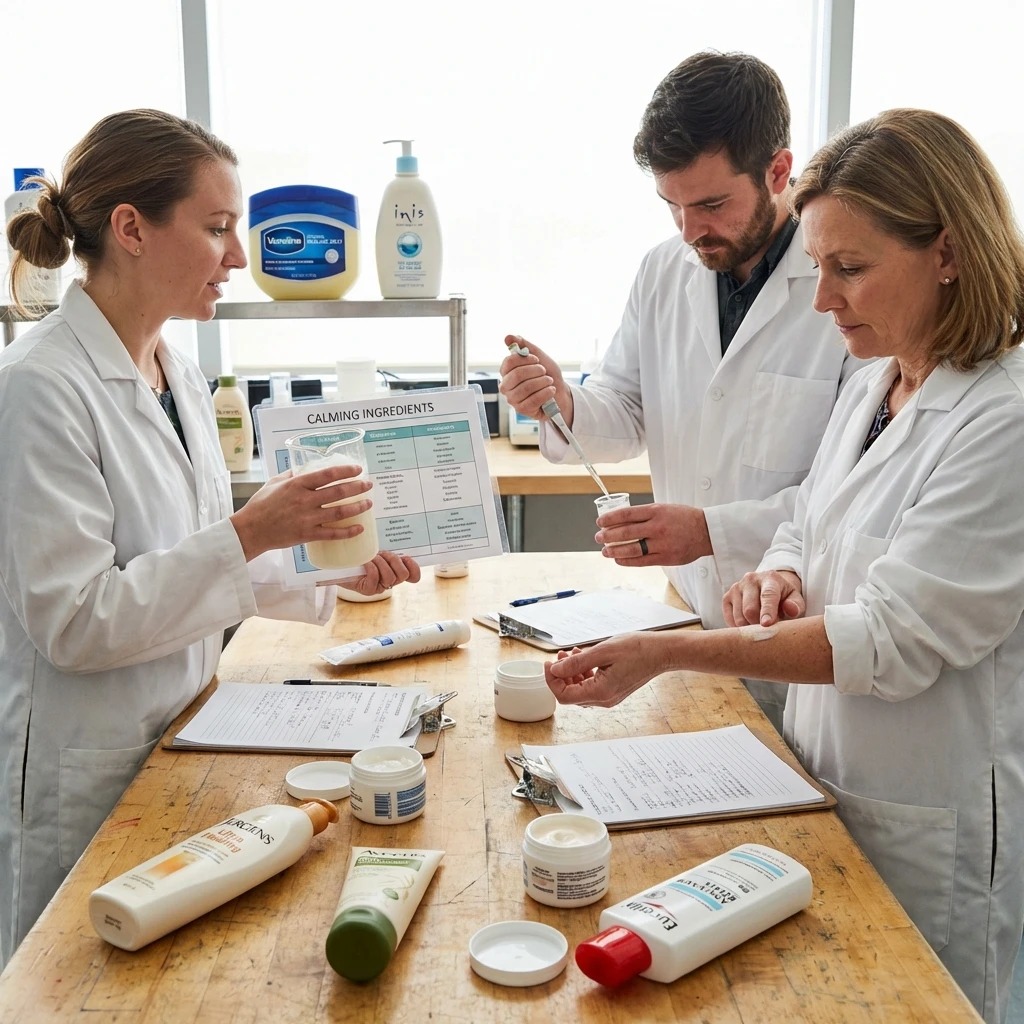
Itchy Skin Moisturiser Ingredients That Calm
Itchy skin moisturiser shopping gets weird fast, because half the shelf promises “soothing” and the other half feels like it was designed for someone who has never had winter skin in their life. At Hespere, we keep it plain: which ingredients tend to calm itch, which ones mostly just sit on top, and how to pick a body lotion that fits your skin type, your budget, and your tolerance for fragrance.
If you have that itchy-tight feeling after a shower, or your shins look ashy by lunch, or your arms start acting up the second the heat turns on, you are not alone. Itch often tracks back to a stressed skin barrier, low water content in the outer layer of skin, and a cycle of scratching that keeps things irritated. Relief usually comes from the boring stuff done consistently, not from a fancy claim on a bottle.
So this guide breaks down the ingredient categories that actually matter, then walks through specific body moisturizers that fit different needs, from fragrance-free basics to richer options and one that’s basically a seal for cracked spots.
TL;DR (Read This in 30 Seconds)
- Itch usually tags along with dryness and a leaky skin barrier, not just “sensitive skin”
- The right formula can cut the itch cycle by improving hydration and sealing water in
- “Soothing” on the label doesn’t tell you if it has humectants, barrier lipids, or occlusives
- Think in layers: add water, hold water, then seal it in where needed
- Match texture and fragrance to your trigger level, then apply at the time it works best (often right after bathing)
As an Amazon Associate I earn from qualifying purchases.
First, What Actually Calms Itch?
The fastest way to make this make sense is to sort ingredients by job, because an itchy skin moisturiser that only does one job can still leave you scratching.
Humectants pull water into the outer layer of skin, think glycerin and urea, and they tend to help with that tight, papery feeling. Emollients smooth rough edges by filling in gaps between skin cells, often from fatty alcohols or plant oils, which can make skin feel less “prickly” on contact with fabric. Occlusives sit on top and slow water loss, like petrolatum, and they’re the closest thing skincare has to putting a lid on a simmering pot so the steam stays inside, not a cure, but a smart containment strategy. Simple.
One more nuance: fragrance and some botanical extracts can be fine on normal dry skin, but on reactive skin they can be the match near the gas can. If you’re itchy and also red, flaky, or stingy, go low-scent and low-drama first.
A Quick Decision Table for Itchy Skin Moisturiser Picks
Here’s the cheat sheet that keeps you from impulse-buying three bottles at Target and hating two of them.
| Your main issue | Ingredient jobs to prioritize | Texture clue | What to avoid (if reactive) |
|---|---|---|---|
| Tight, dry, itchy after shower | Humectant + occlusive | Lotion plus spot-ointment | Heavy fragrance |
| Rough, bumpy, scaling | Humectant (often urea) + emollient | Medium to rich lotion | Strong scent, harsh actives |
| Sensitive and easily irritated | Barrier support + simple occlusive | Fragrance-free lotion | Fragrance, lots of extracts |
| Cracked areas (hands, heels) | Occlusive seal | Jelly or ointment | Scented products on cracks |
Now, onto real product options and how they fit.
The Lineup: Itchy Skin Moisturiser Options by Need
Lubriderm Daily Moisture Lotion (paid link)
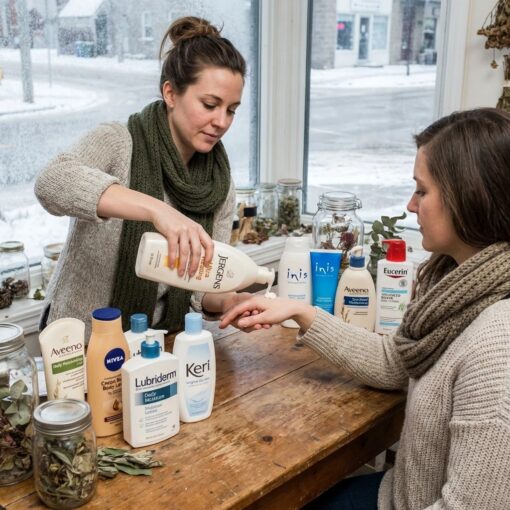
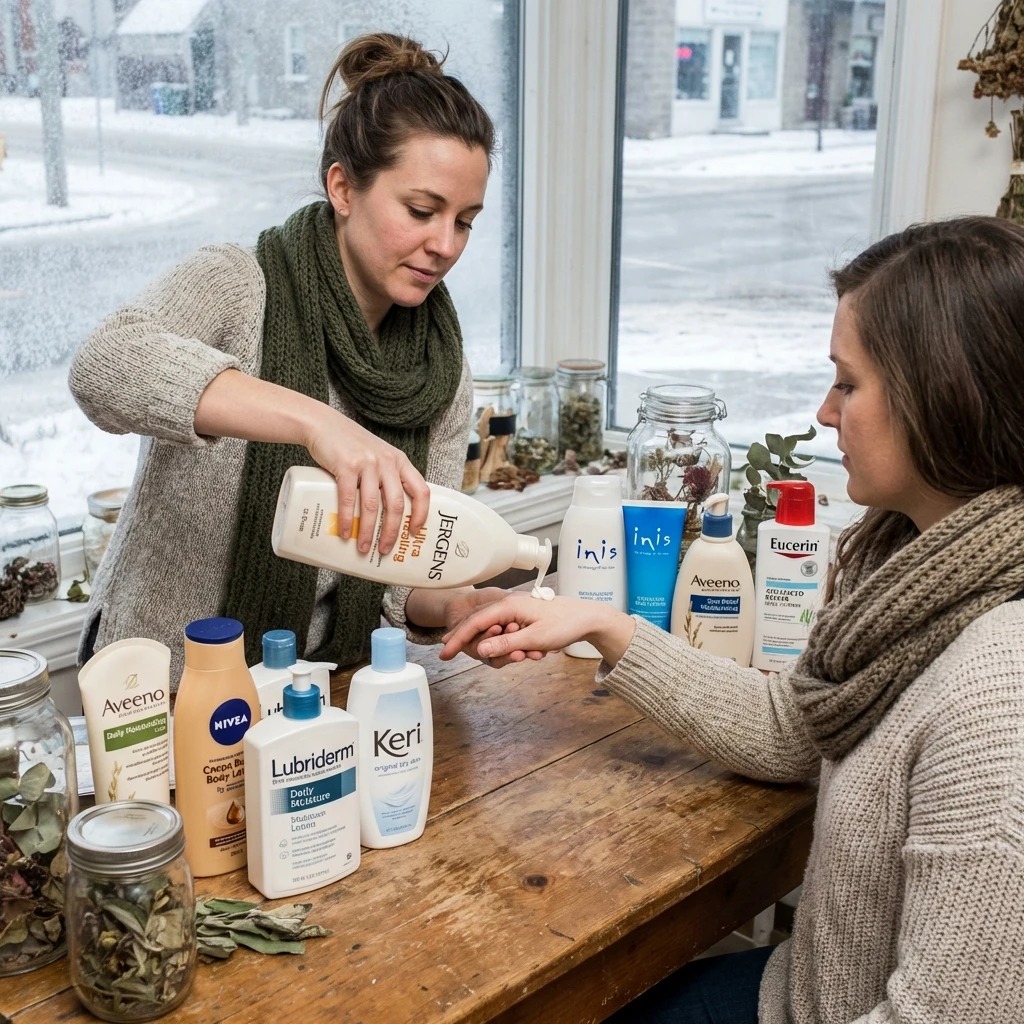
If fragrance is your usual problem, start here. This one is positioned as fragrance free for normal to dry skin, which is a good lane for people whose itch is mostly dryness plus reactivity, and it works well as the “default” bottle by the sink and the bed. Keep it boring for two weeks and see what changes.
Use it right after showering when your skin is still slightly damp, because that’s when you’re locking in water, not trying to chase it later.
Aveeno Skin Relief Moisturizing Lotion for Sensitive Skin (paid link)
Colloidal oatmeal is a classic for itch, and Aveeno’s skin relief line is built around that idea. If your skin gets cranky in winter, during allergy season, or after shaving, this is the sort of formula many people reach for because it aims at both feel and comfort. It’s also an easy pick when you want an itchy skin moisturiser that doesn’t smell like anything.
You’ll know fast if oatmeal-based lotions agree with you. Or they won’t.
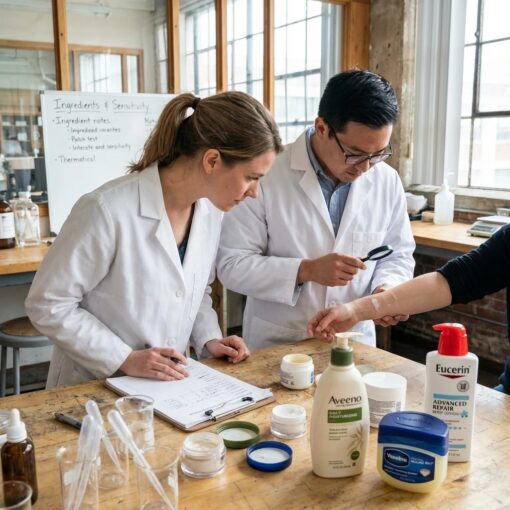
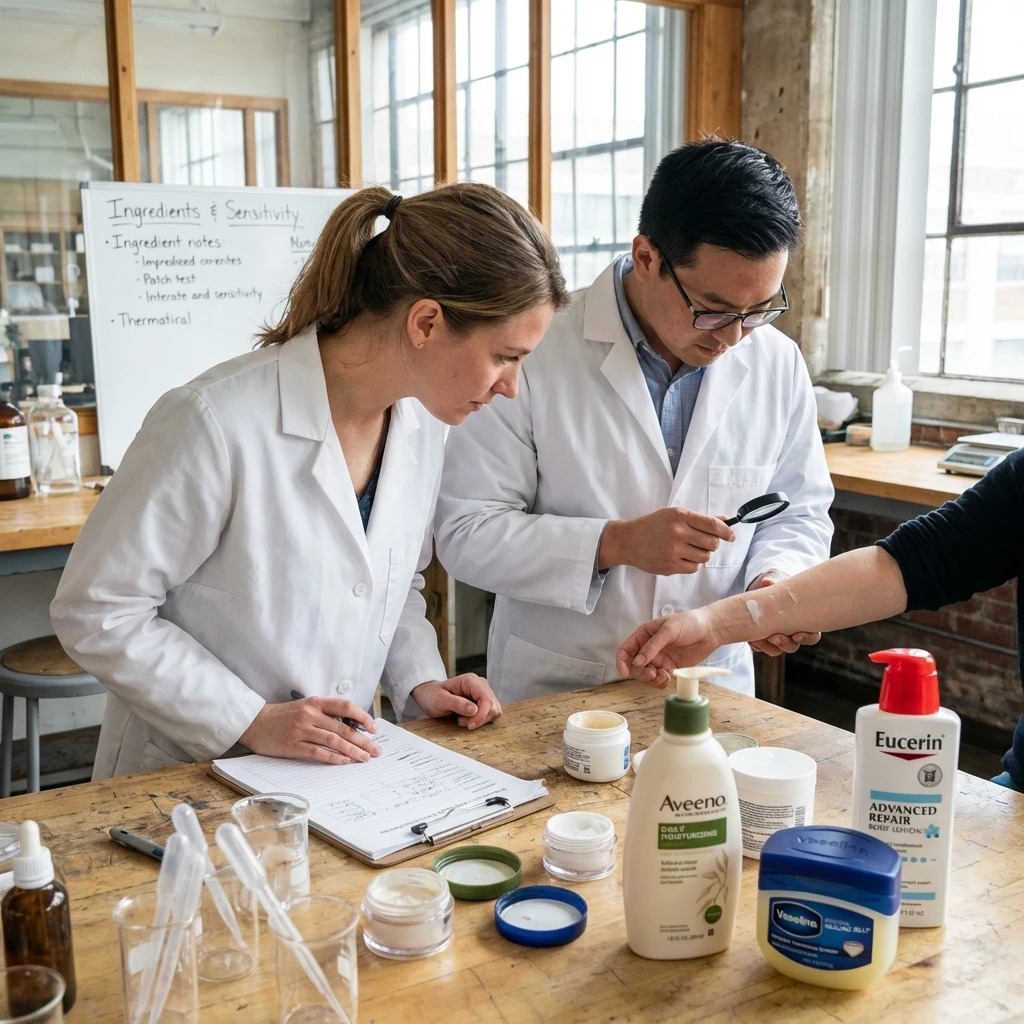
Eucerin Advanced Repair Body Lotion (paid link)
When itch comes with rough texture and scaling, urea can be a game changer because it hydrates and helps loosen that stubborn, built-up dry layer. Eucerin’s “advanced repair” style products are often chosen for that reason, especially on legs and arms that stay dry no matter what. If you’ve ever felt like lotion just slides around on top and disappears, this category is worth trying.
Go slow if you’re also irritated, since urea can tingle on compromised skin.
Jergens Ultra Healing Lotion (paid link)
This is a practical, big-bottle option for everyday dry skin that just needs consistent moisturizing. People often like these types of lotions for all-over use, especially when budget matters and you’re moisturizing daily, not occasionally. Put it in your gym bag, your office drawer, whatever keeps you from “forgetting” until you’re itchy again.
Consistency beats perfection.
Keri Original Dry Skin Lotion (paid link)
If your skin likes a more traditional body-lotion feel, Keri sits in that classic drugstore lane aimed at dry skin comfort. It’s a straightforward pick for elbows, legs, and seasonal dryness, and it layers well under sunscreen on exposed areas. Speaking of sunscreen, if you’re moisturizing in the morning and then skipping SPF, you’re basically doing half the assignment, like buying bagels in New York and refusing the cream cheese.
Use it as your daily baseline, then add heavier sealing only where needed.
Aveeno Daily Moisturizing Lotion Tube (paid link)
The tube format matters more than it should. Toss one in a purse, backpack, carry-on, or the glove box, and you actually reapply, especially on hands that get washed a lot. This is a convenient option for people who want something familiar and easy, without turning hand care into a hobby.
Reapply after handwashing. Every time? No. Often enough.
Cocoa Butter Body Lotion by Nivea (paid link)
Cocoa butter-style body lotions tend to feel richer and more sealing, which can help when itch is tied to plain dryness and cold weather. If your skin does fine with fragrance and you like a more sensory product, this can fit, just keep it off freshly shaved or irritated areas if you know you react. Think of this as comfort-first rather than sensitivity-first.
Patch test if you’re unsure.
Vaseline Original Healing Jelly (paid link)
This isn’t a body lotion, it’s the sealant step. Petrolatum is one of the most proven occlusives for reducing water loss, and it’s a smart move for cracked knuckles, heels, flaky corners of the nose, or any spot you’ve scratched into a mess. For a lot of people, the best itchy skin moisturiser routine is actually lotion everywhere plus a thin layer of this on top, only where needed.
A rice-grain amount goes far.
Inis the Energy of the Sea Revitalizing Body Lotion (paid link)
Sometimes you want moisture and a scent you enjoy, because using it is the whole point. Inis is in the “treat” category: a larger bottle, a fragrance-forward experience, and a nice option when itch is mild and your skin isn’t reactive. If fragrance triggers you, skip it, but if fragrance motivates you to moisturize nightly, that’s also a kind of strategy.
Skincare you use wins.
Estée Lauder Beautiful Perfumed Body Lotion (paid link)
This is a perfume-body-lotion hybrid, best for people whose main goal is scent plus softness, not troubleshooting sensitivity. Use it on days when your skin barrier is behaving, not when you’re actively itchy or rashy, and keep a fragrance-free option on standby for the days your skin taps out. For some routines, that split approach works better than forcing one bottle to do every job.
Also, don’t put perfumed lotion on freshly irritated skin and then act surprised.
How to Use an Itchy Skin Moisturiser So It Works
Timing is the secret sauce, and it’s not glamorous. Apply within a few minutes after showering or washing hands, when skin still holds water, then seal the worst spots with an occlusive if you need it, and if you’re in a dry climate or running indoor heat, consider doing a second light layer before bed, because overnight dryness is real. Short showers, warm not hot water, and gentle cleansers also matter, since harsh surfactants can strip lipids and make itch easier to trigger.
One more thing: if itch is intense, widespread, or comes with a rash, cracks that won’t heal, or signs of infection, it’s worth checking in with a clinician, because sometimes you’re dealing with eczema, contact dermatitis, or another skin condition that needs more than moisturizer. And for a quirky detail to make this feel like real life, keep a mini hand cream by your TV remote, it’s weirdly effective behavior design.
Key Takeaways (No Itch, No Drama)
- An itchy skin moisturiser works best when it hydrates, smooths, and seals, not when it only feels nice for ten minutes
- Humectants like glycerin and urea help with tight dryness, while petrolatum-style occlusives help seal cracked spots
- If you’re reactive, start fragrance-free, then add scented body lotions only when your skin is calm
- Apply after bathing on damp skin, then spot-seal with an occlusive if needed
- The best product is the one you’ll actually use most days
Finding the right itchy skin moisturiser is less about hunting for a magic ingredient and more about matching the formula to what your skin is doing this week, in your climate, with your habits. When the air’s dry, your barrier is stressed, or you’re washing hands nonstop, you’ll usually do better with simple, fragrance-free lotions and targeted occlusive sealing. On calm-skin days, you can bring back the scented stuff if you enjoy it, because enjoyment is part of consistency, and consistency is what changes outcomes. Keep one “baseline” lotion and one “emergency seal” product around, and you’re covered for most real-life scenarios. If you want help building a routine that doesn’t require a spreadsheet, that’s Hespere’s lane.
If you’d like a second set of eyes on your routine, you can always Contact Hespere for practical guidance that stays clear and low-hype.