
Itchy Skin Moisturiser: Choose the Right One
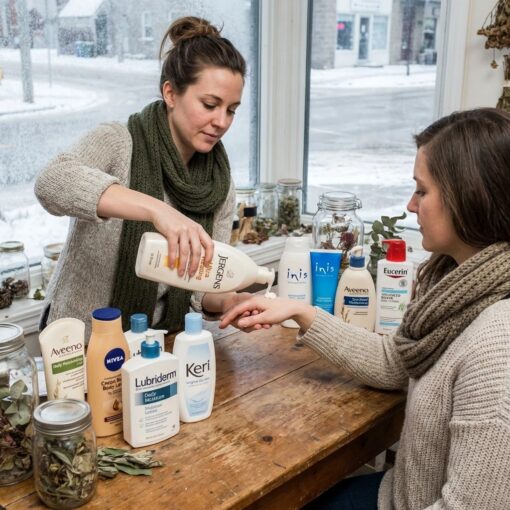
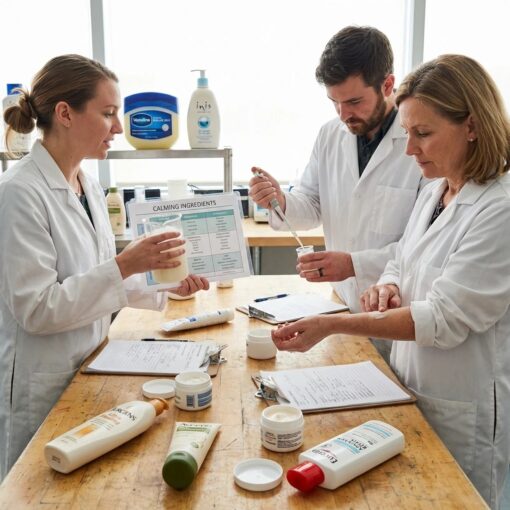
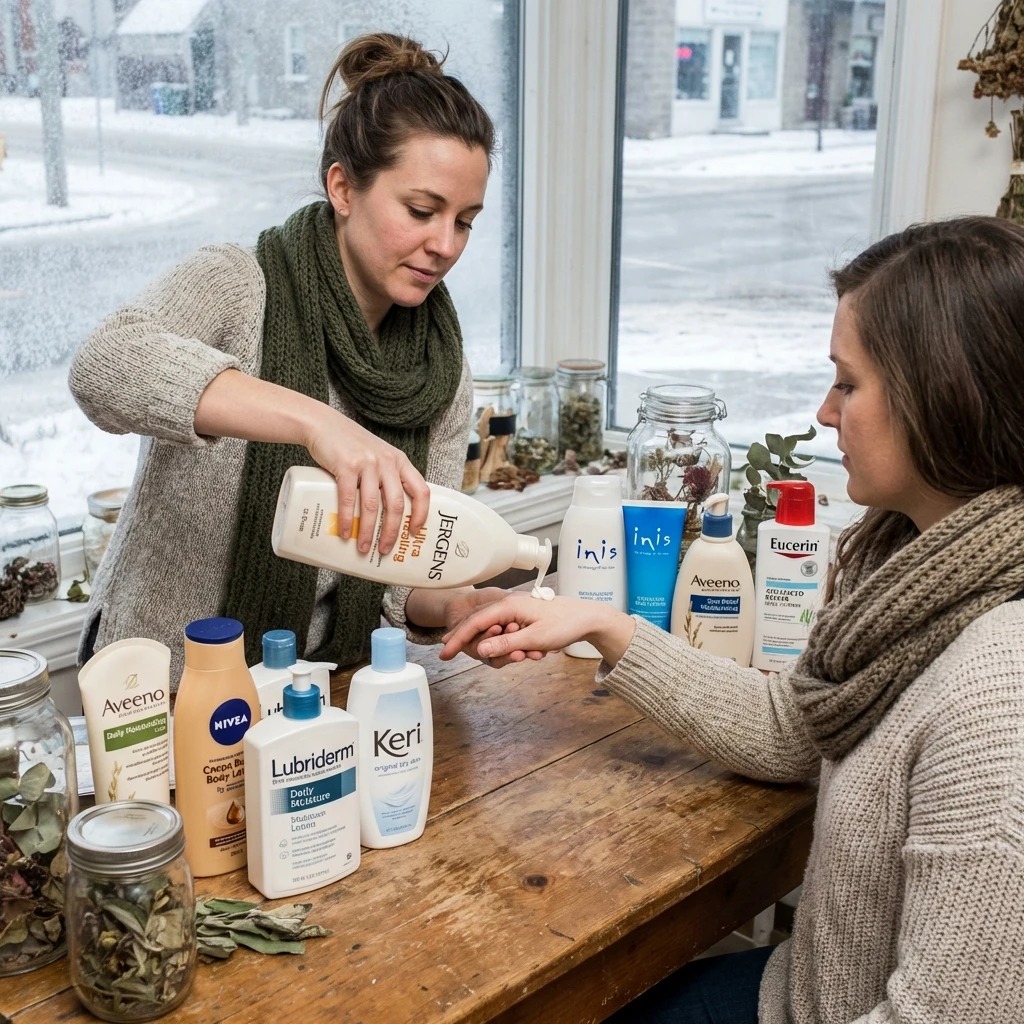
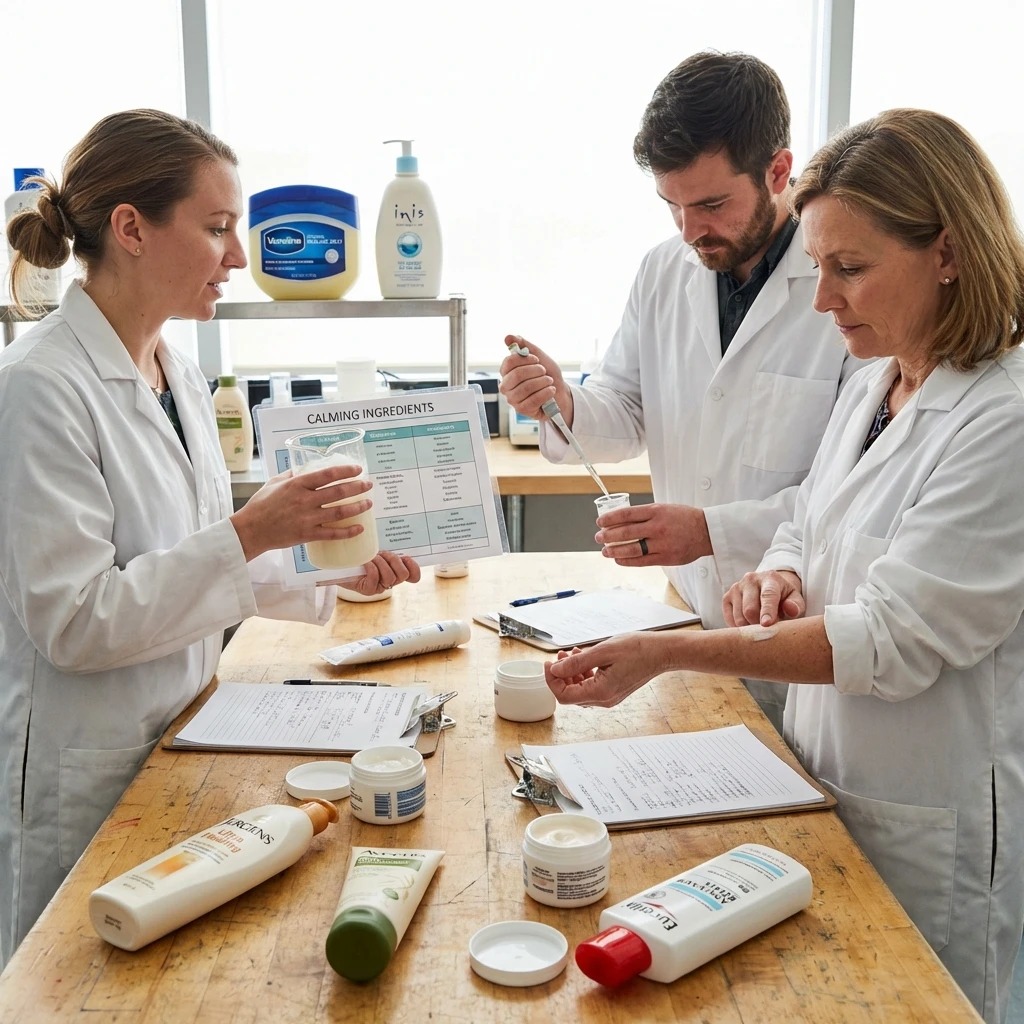
Finding an itchy skin moisturiser that actually calms things down can feel like a guessing game, especially when every bottle promises comfort but your skin keeps acting like it got into a fight with your laundry detergent. At Hespere, we stick to the boring stuff that works: ingredient logic, simple routines, and real tradeoffs across drugstore and premium options, so you can buy once and stop thinking about it.
Itchy, sensitive body skin tends to show up at the most annoying times: right after a shower, halfway through a workday, or when the weather flips from humid to forced-air heating overnight. You want relief, but you also want to avoid that cycle where you try something new, it stings, you quit, and your skin ends up even more reactive.
What helps most is choosing based on what’s causing the itch, then matching the texture, fragrance level, and barrier support to your actual life, not an imaginary “perfect routine” that requires eight steps and a shelf you don’t have.
TL;DR (TL;DR)
- Itch usually means your skin barrier is leaky, too dry, or irritated by something in your routine or environment
- The fastest wins come from fragrance-free basics, thicker textures at night, and applying to damp skin after showering
- “For sensitive skin” on the label doesn’t always mean low-irritant, fragrance can still sneak in
- Think in three buckets: humectants (pull in water), emollients (smooth), occlusives (seal)
- Pick one daily lotion, one “flare-up” option, and one spot-sealer for cracked areas
Start Here: Why Skin Itches in the First Place
If you’re shopping for an itchy skin moisturiser, the label isn’t the point, the itch is the clue. Most everyday itch on the body tracks back to dryness, a disrupted skin barrier, or irritation from fragrance, hot showers, harsh cleansers, or even winter air that’s basically a home dehumidifier with opinions.
Here’s the useful mental model, and it’s not fancy: humectants (like glycerin) draw water in, emollients (like fatty alcohols and oils) smooth rough texture, and occlusives (like petrolatum) slow water loss by sealing the surface, sort of like putting a raincoat on a sponge so it doesn’t dry out on the counter. One category alone can help, but combinations tend to work better, especially when your skin feels tight, flaky, or prickly. Keep it simple.
The No-Drama Buying Checklist for an Itchy Skin Moisturiser
You don’t need to memorize an ingredient dictionary, but you do need a few filters, and once you use them, shopping gets way less chaotic. This is where people waste money, because they bounce between “light” and “rich” without matching the texture to when and where the itch happens.
Use this quick checklist:
- If you’re easily reactive: start fragrance-free, then decide later if scent is worth it
- If your itch is worst after showers: apply within a few minutes on damp skin
- If you get rough patches (elbows, shins): look for stronger barrier support, then seal those areas
- If you hate greasy feel: use a lighter daily lotion, then spot-treat with an occlusive
- If you’re also acne-prone on body: avoid heavy layering on areas that break out, like chest and back
Small shift, big payoff. Also, yes, North American winters plus indoor heating can turn your legs into flaky tortilla territory by February, so your “summer lotion” often won’t cut it.
Product Roundup: 10 Options, Broken Down by Skin Mood
As an Amazon Associate I earn from qualifying purchases.
Lubriderm Daily Moisture Lotion – For Normal To Dry Fragrance Free, 16 oz (paid link)
If your skin gets itchy because it’s reactive, fragrance-free is a smart first bet, and this one fits that “daily driver” role without turning your routine into a project. Use it after showering, then reassess in a week based on whether the itch fades or you still get tightness by afternoon. Simple works.
Aveeno Skin Relief Moisturizing Lotion for Sensitive Skin (paid link)
Colloidal oatmeal is commonly used to soothe dry, itchy skin, and Aveeno leans into that style of formula for sensitivity. This is the kind of option you reach for when your skin feels reactive and you want a straightforward “calm down” lotion that plays nicely with the rest of your routine.
Eucerin Advanced Repair Body Lotion 16.9 Fluid Ounce (paid link)
If your itch comes with rough texture or visible flaking, “repair” style lotions often rely on humectants and gentle exfoliating acids to improve dryness over time. That can be helpful, but it can also tingle on very irritated skin, so patch test if you’re mid-flare. One change at a time.
Vaseline Original Healing Jelly – Protects Dry, Cracked Skin (paid link)
This is the closer, not the opener. Petrolatum is a classic occlusive, meaning it seals, so it’s great over lotion on cracked knuckles, heels, or any spot that keeps re-drying, especially overnight. Use a thin layer, your sheets will thank you.
Jergens Ultra Healing Lotion, 32 Ounce (paid link)
A big pump bottle can be the difference between “I moisturize sometimes” and “I actually do it daily,” and consistency matters for itch. This one is often picked for very dry body skin because it’s built for everyday use at scale: bathroom, bedside, desk drawer if you’re that person.
Keri original dry skin lotion, soothing dry skin formula – 20 Oz (paid link)
When your skin is dry in a steady, predictable way, a classic dry-skin lotion can be enough, and that’s a win because you don’t need to overcomplicate. Use it on the days your skin feels “fine but tight,” then bring in heavier backup only when needed.
Aveeno Daily Moisturizing Lotion Tube, 3 Count (paid link)
Tubes are underrated, especially if you moisturize at the gym, at work, or in a travel bag where pumps spill. If you’re building a routine you can keep, a portable option makes follow-through more likely, and that’s half the battle with itch management. Convenience counts.
Cocoa Butter Body Lotion by Nivea for Unisex (paid link)
Cocoa butter style lotions are often chosen for dryness and that “ashy” look on legs and elbows, because richer emollients can smooth and soften fast. If fragrance bugs you, watch for it here, since cocoa butter products often come with scent. Try it on non-reactive areas first.
Inis the Energy of the Sea Revitalizing Body Lotion, 500ml (paid link)
Sometimes you want body care that feels like a treat but still functions as a moisturizer, and that’s a valid reason to buy something. If fragrance is fine for you and you’re not in a sensitivity flare, a scented lotion can fit as a daytime option, while keeping a fragrance-free backup for itchy weeks.
Estée Lauder Beautiful Perfumed Body Lotion, 248 ml (paid link)
This is more about scent experience than barrier rehab, so it’s best for people whose itch is mainly dryness and not reactivity, and who already tolerate fragrance well. If your skin is actively irritated, you’ll usually do better switching to fragrance-free until things settle, then bringing perfume back later.
How to Use an Itchy Skin Moisturiser So It Works
An itchy skin moisturiser can be perfect on paper and still fail if the timing is off. Put it on within a few minutes after showering while skin is still slightly damp, because that’s when you can trap water in, and your lotion isn’t just sliding around on a fully dry surface.
Night routine matters, too, especially if you scratch in your sleep, which people do without noticing. Use a regular lotion head to toe, then seal problem spots with something like Vaseline Original Healing Jelly – Protects Dry, Cracked Skin (paid link), and keep nails short for a week while your skin calms down. Very unglamorous. Very effective.
When Itchy Skin Isn’t Just Dryness
Most body itch is dryness and irritation, but not all of it, and it’s worth being plain about that. If you’ve got a rash that’s spreading, broken skin that looks infected, hives, swelling, or itch that won’t quit despite consistent moisturizing, it’s time to talk to a clinician, because eczema, contact dermatitis, fungal issues, and other conditions need more targeted care.
Here’s a practical signal: if changing your cleanser, using lukewarm showers, and sticking to a simple itchy skin moisturiser routine for two weeks doesn’t move the needle, something else might be driving it. No shame, just data.
Near the end of this, one quirky detail: if you keep absentmindedly scratching your legs while watching hockey, try putting your moisturizer next to the remote for a week, because apparently our brains will do anything to avoid standing up once the game’s on.
Key Takeaways (No More Scratchy Chaos)
- Choose based on barrier support and irritation risk, not marketing claims
- Fragrance-free is the easiest starting point for sensitive, itchy skin
- Apply after showering on damp skin, then seal cracked spots at night
- Keep one daily lotion, one flare-up option, and one occlusive on hand
- If symptoms persist or look unusual, get medical eyes on it
A good routine for itch doesn’t need a dozen products, it needs the right roles covered, used consistently, and adjusted when your skin changes with seasons, stress, shaving, or whatever else real life throws at it. If you’re sensitive, start simpler than you think, because removing irritants often helps more than adding “extra soothing” steps. Once your skin settles, you can decide whether you want scented body lotions back in rotation, or if you’d rather keep your body care boring and predictable. Either is fine. Results are the point. If you want help building a routine that matches your skin and budget, you can Contact Hespere for guidance.