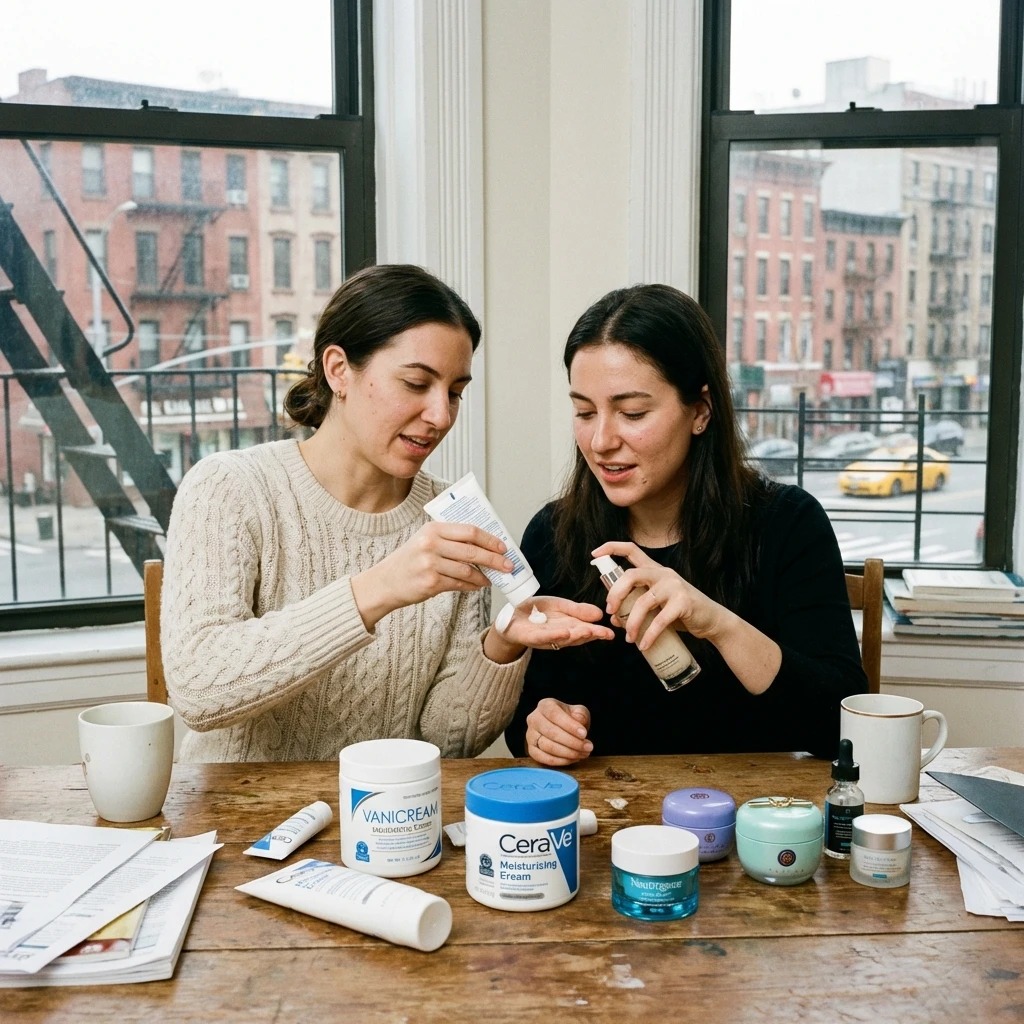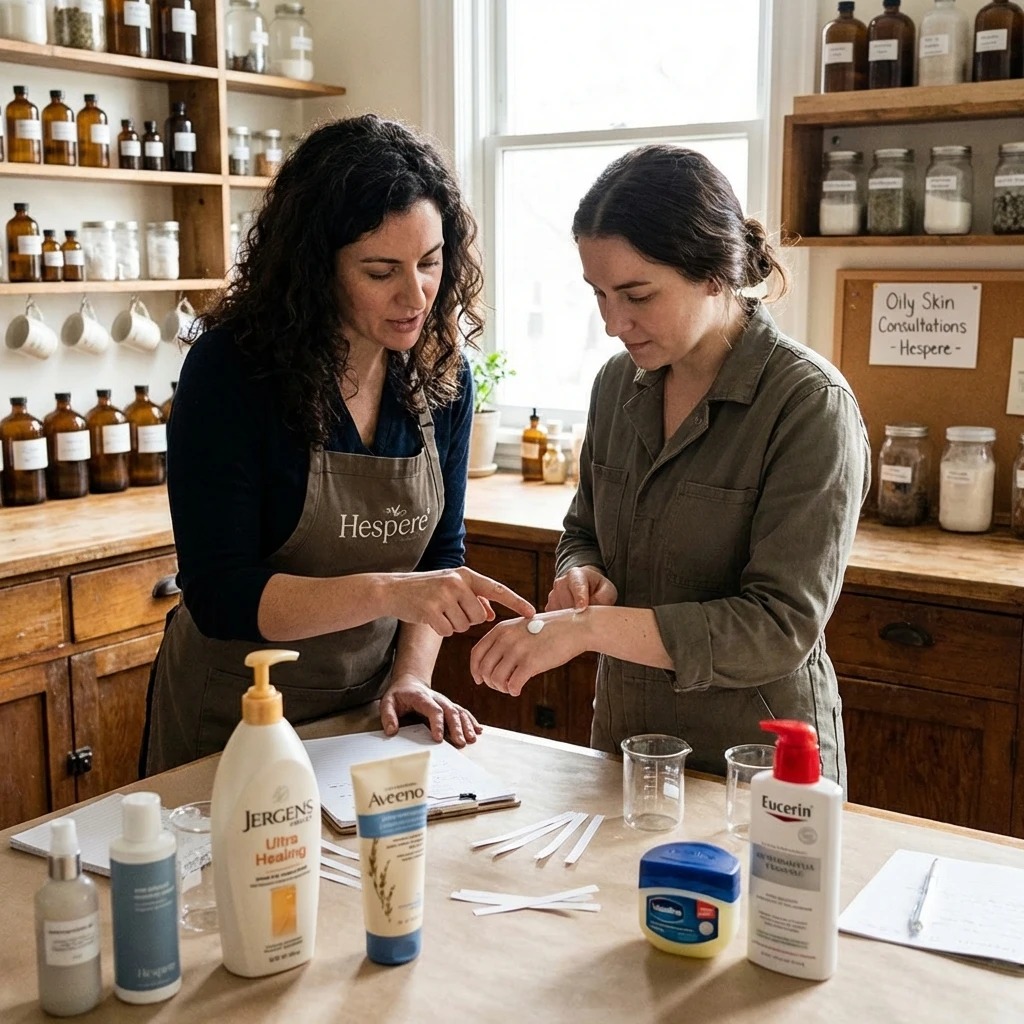

Moisturizer for Oily Skin: Drugstore vs Premium
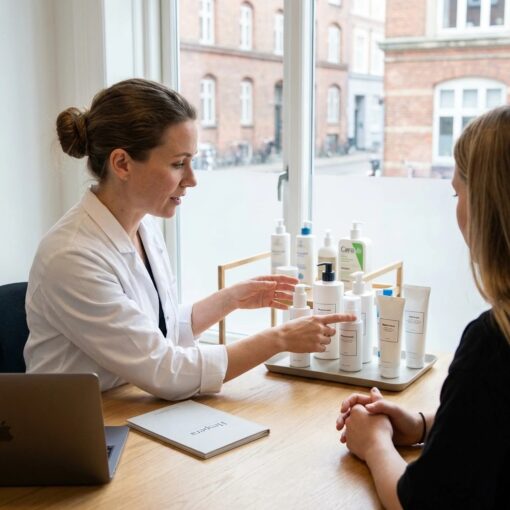
Moisturizer for oily skin is one of those phrases that sounds simple until you’re standing in a CVS aisle or scrolling at 11:47 p.m., trying to decode labels that read like a chemistry quiz. At Hespere, we keep it plain: build a routine you’ll actually do, learn what your skin is asking for, and stop paying for hype when the basics would’ve worked. This piece walks through how to start, how to read ingredient lists without spiraling, and how to think about drugstore vs premium without turning skincare into a second job.
If your face gets shiny by noon but your cheeks still feel tight, you’re not imagining things. Oiliness can sit right next to dehydration, acne can show up alongside sensitivity, and a “rich” product can feel fine at night and weird under sunscreen the next morning. That’s normal, and it’s also why blanket advice tends to flop in real life.
The goal here is a simple decision framework, plus a small lineup of body moisturizers that make sense when you want hydration without drama, because sometimes the rest of your skin needs care even when your T-zone is doing the most.
TL;DR
- Oily skin still needs water and barrier support, not just oil control
- The wrong texture can feel greasy, but the wrong formula can push more irritation and breakouts
- “Non-comedogenic” and “oil-free” don’t automatically mean “works for me”
- Drugstore vs premium often comes down to fragrance, texture, and how complex your skin’s needs are
- Start with a short routine, patch test, then upgrade only where you see a real payoff
Step 1: Figure out what “oily” actually means
Here’s the hook: most people don’t have “too much oil” as the only problem, they have a mismatch between oil, water, and irritation. Think of your skin like a bouncer outside a club holding a list, if the barrier is annoyed or stripped, it starts letting the wrong stuff in and kicking the right stuff out, and suddenly everybody’s acting up. One quick check helps: cleanse at night, use nothing, then see how your skin feels after 60 minutes.
If you’re shiny everywhere and comfortable, you’re likely oily. If you’re shiny but tight, you might be dehydrated oily. If you’re shiny only in the T-zone, you might be combination. Write that down. It matters.
Step 2: Build a first routine that doesn’t collapse
A beginner routine has three jobs: cleanse, moisturize, and protect with sunscreen. That’s it. Actives can come later, after you’ve got a baseline and you can tell what’s working, because piling on acids and retinoids too early is how people end up with a face that feels “fine” until it suddenly doesn’t. Keep it boring for two weeks.
Morning: rinse or gentle cleanse, moisturize if you need it, sunscreen. Night: cleanse, moisturize. If you’re dealing with body dryness too, shower moisturizer right after you towel off, when your skin is still a bit damp. Do it while your coffee brews. Easy.
Step 3: Read ingredient lists like a normal person
Ingredient lists are ordered by concentration until the 1 percent line, then it gets fuzzy, so don’t overinterpret the bottom third. For oily or acne-prone skin, you’re often looking for lighter humectants and barrier helpers (glycerin, hyaluronic acid, panthenol, ceramides), and you’re watching out for things that bug you personally, often fragrance and certain essential oils. One short rule: if you react easily, go fragrance-free first, then add “fun” later.
Also, moisturizer for oily skin isn’t just about avoiding oil. Occlusives like petrolatum can be useful in tiny targeted amounts, especially if you’re using acne treatments and getting flakey around the nose and mouth. Context beats labels.
Step 4: Drugstore vs premium, the stuff that actually changes
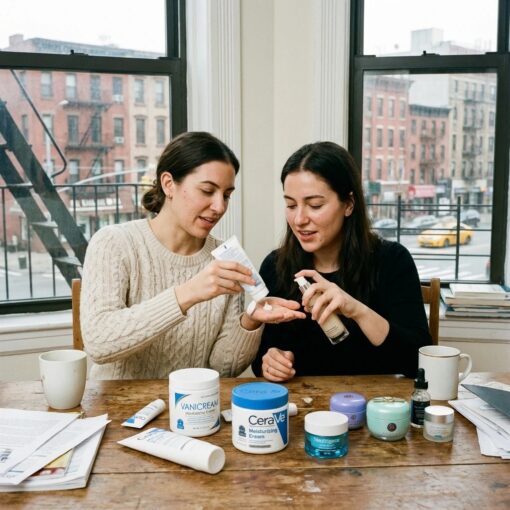
People search “Drugstore vs Premium Moisturizers for Oily Skin” because they want to know if spending more buys better skin. Sometimes it buys a nicer texture, a scent experience, or a formula that’s easier to wear under makeup. Sometimes it buys a brand story and a glass jar. Either way, you’re paying for something.
Here’s a simple way to decide:
| What you care about | Drugstore tends to win | Premium tends to win |
|---|---|---|
| Basic hydration and barrier support | Value sizes, simple formulas | Similar benefits, sometimes nicer finish |
| Sensitive skin and avoiding triggers | Fragrance-free staples | More fragrance options, sometimes more extracts |
| Experience (scent, feel, ritual) | Fewer “treat” options | More “treat” options |
| Body care on a budget | Big pumps, family-friendly | Smaller sizes, more expensive per ounce |
In North America, where winter air plus indoor heat can turn your arms into sandpaper by February, it’s common to do premium for the “fun” product and drugstore for the workhorse pump by the sink. That mix is normal.
Step 5: A body moisturizer lineup that keeps it simple
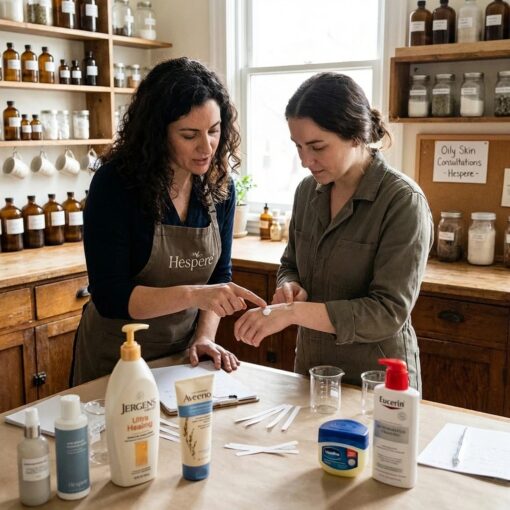
Even if your face is oily, your body might be dry, itchy, or reactive. These picks are body-focused, and they fit different budgets and preferences.
Lubriderm Daily Moisture Lotion – For Normal To Dry Fragrance Free, 16 oz (paid link)
If you want “no surprises,” fragrance-free is the move, especially when your skin is cranky from shaving, weather, or treatments. This is the type of option that works as a baseline while you test other things.
Aveeno Skin Relief Moisturizing Lotion for Sensitive Skin (paid link)
Sensitive body skin likes predictable, soothing formulas, and this fits that lane. Use it after showers, and keep a smaller bottle by the couch for hands and elbows. Simple.
Eucerin Advanced Repair Body Lotion 16.9 Fluid Ounce (paid link)
When dryness starts looking ashy or feeling tight, repair-style lotions are often where people notice a change. Put it on damp skin, then give it a minute before getting dressed.
Jergens Ultra Healing Lotion, 32 Ounce (paid link)
If you want a big bottle that you’ll actually use daily, pump lotions like this make consistency easier. The best moisturizer is the one that makes it onto your skin most days. True story.
Keri original dry skin lotion, soothing dry skin formula – 20 Oz (paid link)
This sits in the “straightforward body lotion” category, good when you want coverage without thinking too hard. Keep it near your towel, because friction is real.
Aveeno Daily Moisturizing Lotion Tube, 3 Count (paid link)
Tubes are handy for gym bags, travel, and desk drawers, the places where your hands get dry and you forget you’re a person with skin. Three-pack energy.
Cocoa Butter Body Lotion by Nivea for Unisex (paid link)
If you like a cocoa butter vibe, this is the “comfort lotion” lane. It’s often better for nighttime or colder months when you don’t mind a richer feel.
Vaseline Original Healing Jelly – Protects Dry, Cracked Skin (paid link)
This is not an all-over lotion replacement for most people, but it’s great as a targeted seal on cracked areas or flaky patches. Try it on heels, knuckles, or the corners of your nose when you’re using acne meds. Tiny amount.
Inis the Energy of the Sea Revitalizing Body Lotion, 500ml (paid link)
If you want a body lotion that feels like “I have my life together,” this is more about the experience. Keep it by the door if you like putting lotion on right before you leave.
Estée Lauder Beautiful Perfumed Body Lotion, 248 ml (paid link)
This one is for the scent people, the ones who treat body care like part of getting dressed. If fragrance bugs you, skip it, but if you like matching your vibe to your day, this is the premium lane.
As an Amazon Associate I earn from qualifying purchases.
Step 6: How this connects back to your face
Moisturizer for oily skin still comes down to the same boring foundation: protect your barrier, avoid irritating extras, and pick textures you won’t hate wearing. Premium can be worth it when you’re picky about finish, fragrance, or layering under makeup, while drugstore often covers barrier support with less wallet pain. The trick is not switching products every three days because TikTok said so.
One more thing: patch test new products on your inner forearm or behind your ear for a few days. It’s not glamorous. It’s how you avoid regretting your choices.
Key Takeaways (No Grease, Just the Point)
- Oily skin can still be dehydrated, and that changes what “moisturizing” should look like
- Start with cleanse, moisturize, sunscreen, then add actives only after you have a baseline
- Ingredient lists are easier when you focus on humectants, barrier helpers, and your known triggers
- Drugstore vs premium is usually about texture and experience, not magic ingredients
- Targeted petrolatum can help flaking from acne treatments without “making you oily”
Moisturizer for oily skin doesn’t need a fancy story, it needs a plan you can repeat on a random Tuesday when you’re tired. If you keep the routine short, pay attention to how your skin feels after washing, and upgrade only when there’s a clear reason, you’ll avoid most of the overwhelm. Drugstore vs premium becomes a choice about preferences instead of panic, and that’s a better place to shop from. Also, if you ever find yourself applying body lotion in a parking lot while your friend runs into Trader Joe’s, you’re not alone, it’s practically a seasonal sport. When you want more clarity like this, you can always Contact Hespere for help finding a routine that makes sense for your skin and your budget.