
Moisturiser for Dry Skin: Drugstore vs Premium
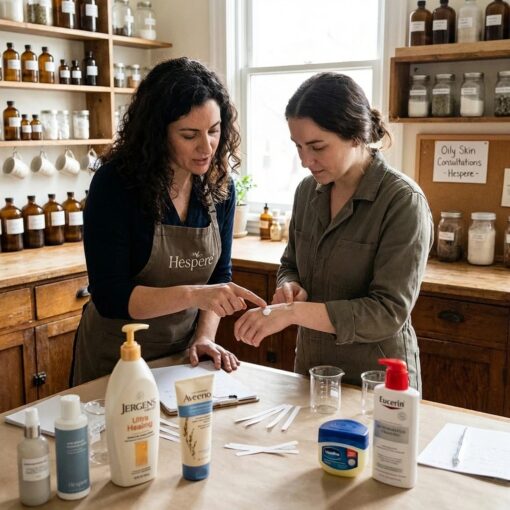
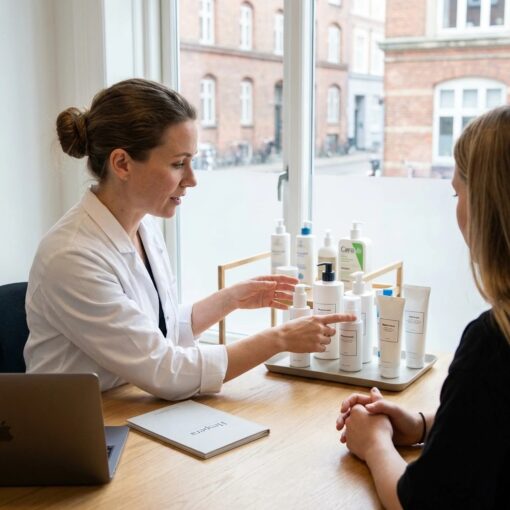
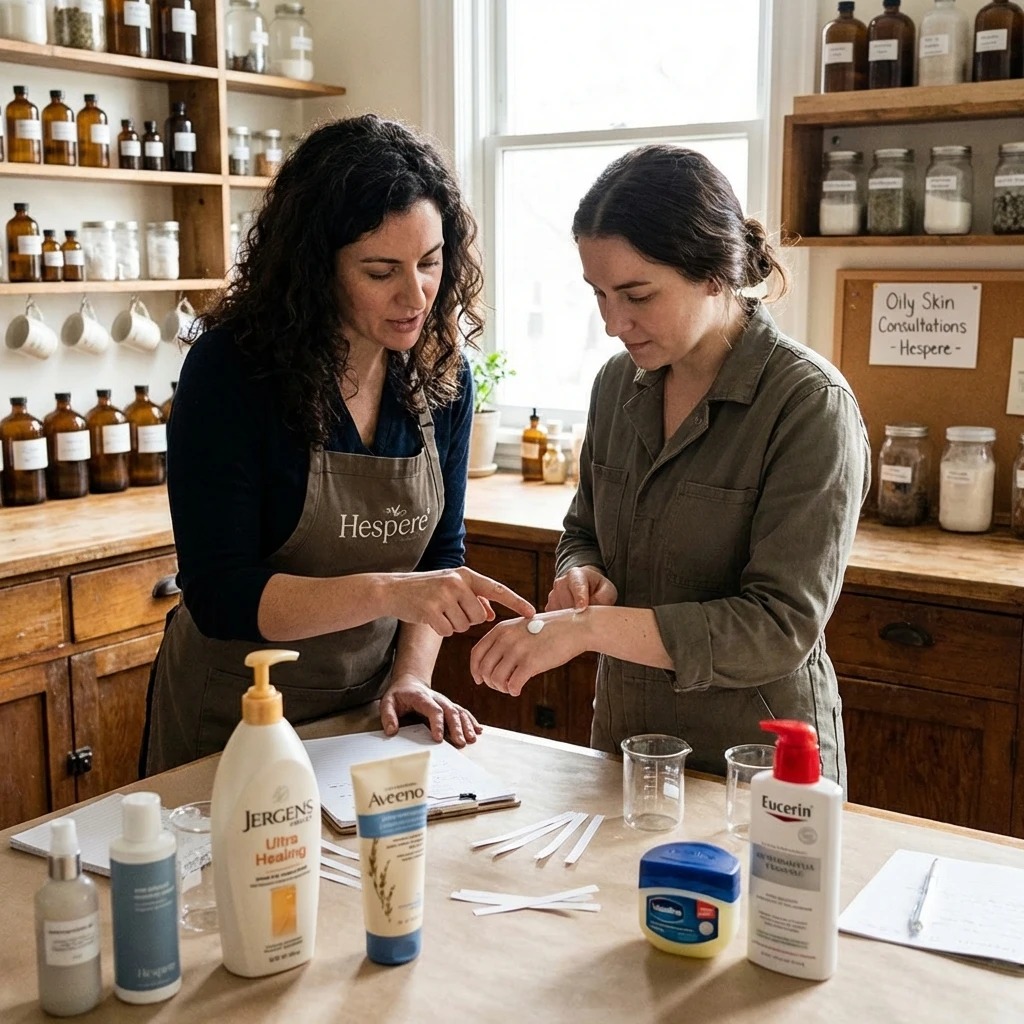
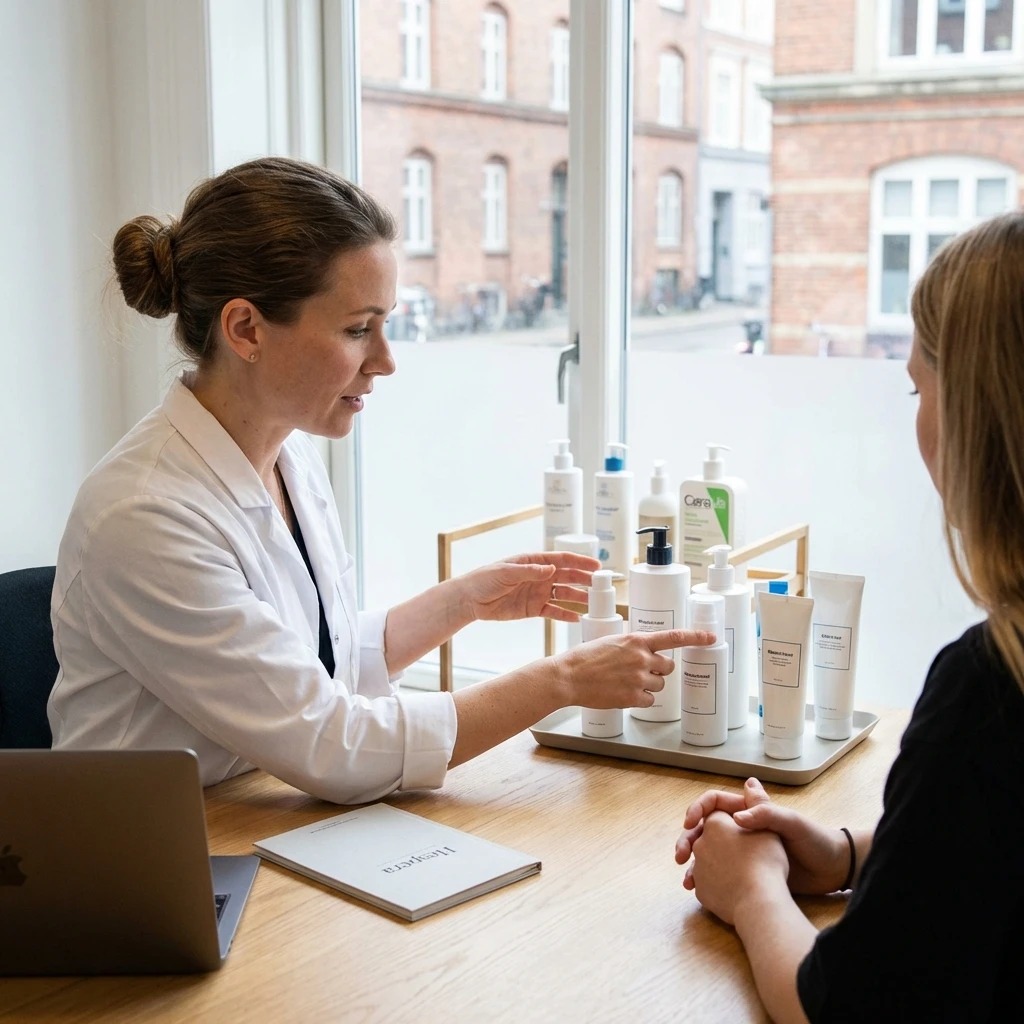
Moisturiser for dry skin shopping can feel weirdly high stakes, because the jar you pick decides whether your face feels fine at noon or like it is shrinking off your bones by 3 p.m. At Hespere, we don’t do hype or mystical promises, we do practical routines and product comparisons that explain what you’re paying for, what you’re not, and how to pick based on your skin and your life.
Dry skin in North America has its own little villains: indoor heating, cold snaps, flights, hard water in plenty of cities, and that seasonal flip where summer humidity vanishes and your cheeks start acting brand new. You might also be balancing acne meds, retinoids, or exfoliants, which can turn “just a bit dry” into “why does my moisturizer sting.”
So this is a side by side guide to help you spend smarter, with a clear way to compare drugstore and premium options, what ingredients tend to matter for dryness, and how to choose without turning your bathroom counter into a graveyard of half used jars.
TL;DR (What You Actually Need)
-
Dry skin usually needs water plus barrier support, not just a heavier texture.
-
Spending more can buy better texture, nicer packaging, or extra actives, but it doesn’t automatically buy better hydration.
-
“Rich” can still fail if it’s missing humectants or if it’s packed with stuff that irritates you.
-
Think in layers: humectant + emollient + occlusive, then match that to day, night, and climate.
-
Pick one product to start, patch test, use it consistently for two weeks, then adjust based on tightness, flaking, and irritation.
Drugstore vs Premium Moisturiser for Dry Skin: What Changes
Here’s the part nobody wants to admit: a lot of the time, the basics work across price points. The core job is simple, reduce water loss and smooth the surface, and the ingredients that do that (humectants like glycerin and hyaluronic acid, emollients like squalane, occlusives like petrolatum or dimethicone) exist in both drugstore and premium formulas.
What premium often changes is the experience, the finish under makeup, the scent (or lack of it), and sometimes the “extras” like peptides, antioxidants, or barrier lipids in a more elegant base. Think of it like a good winter coat versus a fancy one: both can keep you warm, but one might feel like wearing a sleeping bag to brunch, and the other feels like a tailored layer that still blocks wind off Lake Michigan.
One sentence reality check. Irritation ruins value.
The Comparison Table: How to Choose Fast
This isn’t about “best.” It’s about fit.
|
What you need |
Drugstore tends to nail |
Premium tends to nail |
Quick way to decide |
|---|---|---|---|
|
Everyday hydration |
Simple humectant + occlusive combos |
Hydration with nicer finish |
If you wear makeup daily, finish matters |
|
Sensitive or reactive skin |
Fewer “extras” if you choose well |
More “cosmetic elegance,” sometimes more botanicals |
Go simpler when your skin is mad |
|
Dryness plus acne |
Basic non greasy gels and lotions |
Lightweight barrier creams, layered serums |
If you’re clog prone, avoid heavy occlusives daytime |
|
Dryness plus fine lines |
Basic hydration helps line appearance |
More add ons like peptides |
Pay more only if you’ll use it nightly |
|
Winter, wind, indoor heat |
Thick creams and occlusives |
Same, but often more pleasant texture |
Nighttime is where “thicker” earns its keep |
That last column is the whole game: you’re not buying a price tag, you’re buying consistency, and the product you’ll actually use is the one that wins.
Moisturiser for Dry Skin: Ingredients That Pull Their Weight
If you remember one thing, remember this trio: humectants pull water in, emollients smooth, occlusives slow water loss. A moisturiser for dry skin that only does one of those can leave you feeling tight again fast, especially if you live somewhere with forced air heat for half the year.
Look for glycerin high on the list, it’s boring but it works, and it plays well with sensitive skin. Ceramides, cholesterol, and fatty acids help the barrier, especially if you’re using retinoids or acne treatments. Petrolatum is a champ for sealing, but it can feel too heavy for daytime if you’re oily in your T zone.
Very short rule. Avoid guessing.
The Product Shortlist (All Recommendations)
Below are the products you shared, included as a practical shortlist you can compare within your budget. Since I can’t verify the exact product names from shortened Amazon links alone, treat this list as your set of recommended options to cross check by skin feel and ingredient list once you open each link.
As an Amazon Associate I earn from qualifying purchases.
Option 1: Jergens Ultra Healing Lotion (paid link)
If this one is a thicker cream, make it your night layer, especially in winter or if you wake up feeling tight. If it’s lighter, it can be your daily base under sunscreen, and you can add an occlusive on top only when you need it.
Option 2: Estée Lauder Beautiful Perfumed Body Lotion (paid link)
Use this as your “steady” moisturizer choice, the one you keep constant while you test new serums or actives, because stable routines beat chaotic ones. Patch test if you’re sensitive, then judge it by end of day comfort, not first five minutes.
Option 3: Aveeno Daily Moisturizing Lotion (paid link)
If you’re balancing acne and dryness, look for a finish that doesn’t feel slick, then pair it with a gentle cleanser and consistent sunscreen. A simple, non irritating moisturizer makes it easier to tolerate retinoids and benzoyl peroxide.
Option 4: Cocoa Butter Body Lotion by Nivea (paid link)
This is a good candidate for “I want one product that behaves,” meaning it layers without pilling and doesn’t pick fights with sunscreen. Try it on damp skin after cleansing, then wait a minute before any next step.
Option 5: Lubriderm Daily Moisture Lotion (paid link)
If this leans premium, pay attention to whether the texture helps you stick to nightly use, because that’s where the spend can make sense. If it’s scented and you’re reactive, keep it for neck and hands instead.
Option 6: Keri original dry skin lotion (paid link)
This one can work as your “barrier backup,” the product you reach for when weather, travel, or over exfoliating knocks you off balance. Keep it near your toothbrush so you remember it when you’re on autopilot.
Option 7: Aveeno Skin Relief Moisturizing Lotion (paid link)
If you want a daytime option, judge it under real conditions: a commute, a coffee run, a few hours in office air. If it stings, that’s data, not a personal failure.
Option 8: Inis the Energy of the Sea Revitalizing Body Lotion (paid link)
This is a good one to test for “makeup compatibility,” especially if your base products tend to separate around the nose. Apply a small amount, let it set, then add SPF and see if anything rolls up.
Option 9: Vaseline Original Healing Jelly (paid link)
If this is more of an intensive cream or balm, it’s for nights when your skin feels like paper. Put a thin layer over your regular moisturizer, and don’t be shocked if it makes your pillowcase look like a glazed donut.
Option 10: Eucerin Advanced Repair Body Lotion (paid link)
Treat this as your “season switch” option, the one you rotate in when the thermostat drops or when you’re traveling somewhere drier. Consistency still matters more than swapping products every three days.
When to Spend More (And When Not To)
If you’ve tried a few solid drugstore moisturizers and your skin still feels tight by afternoon, the upgrade path that often pays off is better layering and better tolerability, not necessarily “more actives.” Sometimes premium formulas earn their price because they sit well under sunscreen, don’t sting after retinoids, and don’t leave you greasy by lunch.
On the other hand, if your skin is simply dry and not reactive, a basic formula plus smart habits can do a lot: apply on damp skin, use a gentle cleanser, avoid very hot showers, and consider a humidifier when winter heat starts drying your place out like a popcorn ceiling in a 1970s rental.
One more tiny truth. Your routine has to be repeatable.
Key Takeaways (No Flakes, No Fuss)
-
Moisturiser for dry skin works best when it combines humectants, emollients, and occlusives.
-
Price mostly changes texture, finish, and sometimes tolerability, not the basic ability to hydrate.
-
If you’re sensitive, simpler formulas usually make testing easier and reactions less confusing.
-
Nighttime is where heavier products and layering earn their keep.
-
Pick one option, use it consistently for two weeks, then decide based on comfort and irritation.
Drugstore vs premium choices get simpler when you judge them by performance across a full day, not the first impression in your bathroom mirror. Moisturiser for dry skin should leave you comfortable after cleansing, steady under sunscreen, and less tempted to over correct with extra products. If you’re dealing with acne or retinoids, focus on barrier support first, because irritated skin makes everything else harder. The best spend is the one that helps you stay consistent, whether that means a basic cream you can buy anywhere or a nicer texture you’ll actually apply every night. Keep notes for a week, even if it’s just “tight at 2 p.m.” or “no sting,” and your next purchase will feel way less like gambling. For more routine help that stays clear and practical, you can always Contact Hespere.