Moisturizer for Oily Skin, Beginner Picks
Finding a moisturizer for oily skin can feel backwards, like putting a raincoat on a goldfish, but it’s often the step that helps oil look less intense over time. At Hespere, we stick to clear routines and straight talk, so you can sort “dermatologist picks” style advice into something you’ll actually do on a Tuesday night.
If you’ve ever bought three lotions in a panic after one flaky cheek showed up, or skipped moisturizer because you were sure it would make you shinier by noon, you’re in normal-skincare-life territory. Your skin changes with stress, seasons, acne meds, office heat, and that one week you lived on iced coffee. There’s a way to shop that doesn’t leave you stuck reading ingredient lists like they’re legal contracts.
Below is a beginner-friendly framework for building your first routine, figuring out what your skin is asking for, and choosing a body moisturizer that fits, without turning your bathroom counter into a cluttered science fair.
TL;DR for Busy Skin Days
- Most “too oily” skin still gets dehydrated, which can push more shine and irritation
- A simple routine beats a complicated one you quit in two weeks
- Texture, fragrance, and barrier-support ingredients matter as much as brand names
- Ingredient lists get easier when you look for a few repeat players, not every single word
- Start with one moisturizer, patch test, then adjust based on how your skin behaves at 2 p.m., not just right after application
As an Amazon Associate I earn from qualifying purchases.
Step 1: Start with a routine that won’t annoy you
A starter routine has three jobs: cleanse, moisturize, and protect from sun in the morning. That’s it. If you’re oily or acne-prone, the goal isn’t to “dry it out,” it’s to keep your skin barrier steady so your face doesn’t swing between greasy and tight, which is a common cycle when cleansing is too harsh or moisturizing is skipped.
Keep the order simple: cleanse, then moisturizer, then SPF (AM). Cleanse, then moisturizer (PM). One change at a time. Seriously.
Step 2: Figure out what “oily” really means on your face
People say “oily” when they mean different things: shiny T-zone only, makeup sliding off by lunch, clogged pores on the jaw, or skin that feels tight but still looks reflective. That last one happens a lot. Dehydrated skin can overproduce oil, and acne treatments can make you oily and flaky at the same time, which is a rude combo.
Here’s a quick self-check that works better than vibes: wash with a gentle cleanser, apply nothing, then wait 60 minutes. If you’re shiny all over, you’re likely oilier. If you’re tight around the mouth but shiny on the forehead, you’re combo. If you’re comfortable, you might just be normal and reacting to weather, actives, or over-cleansing.
Step 3: Read ingredient lists like a grown-up, not a chemist
Ingredient lists aren’t ranked by “good” and “bad.” They’re mostly in order by amount, and what matters is the pattern: humectants that pull in water (like glycerin), emollients that soften (various oils and fatty alcohols), and occlusives that slow water loss (petrolatum, dimethicone). For oily skin, you’re often looking for hydration without a heavy film, and for sensitive skin, you’ll usually do better with fewer fragrance components.
One more real-world note: “fragrance-free” isn’t the same as “unscented,” and body lotions often lean scented because, well, North America loves a “smell-good after a Target run” moment. If fragrance bugs your skin, treat that as a deciding factor, not a footnote.
Step 4: Choose your moisturizer for oily skin by situation, not hype
Dermatologists often talk about matching texture to tolerance: lighter layers for oilier skin, richer options when the barrier is stressed, and plain occlusives for patchy, cracked spots. Even if your face is oily, your body can be dry, and your hands can be wrecked from winter or sanitizer, so it helps to think in zones.
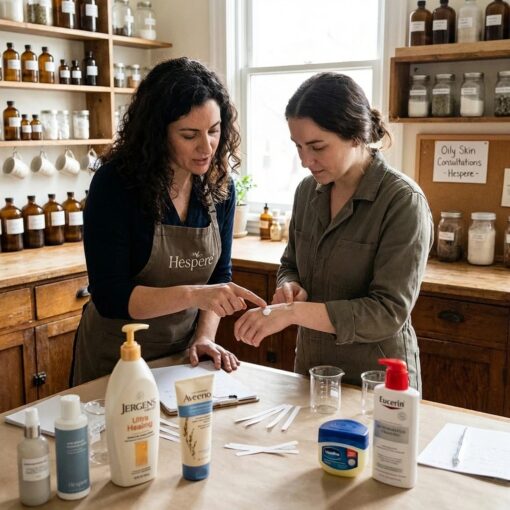
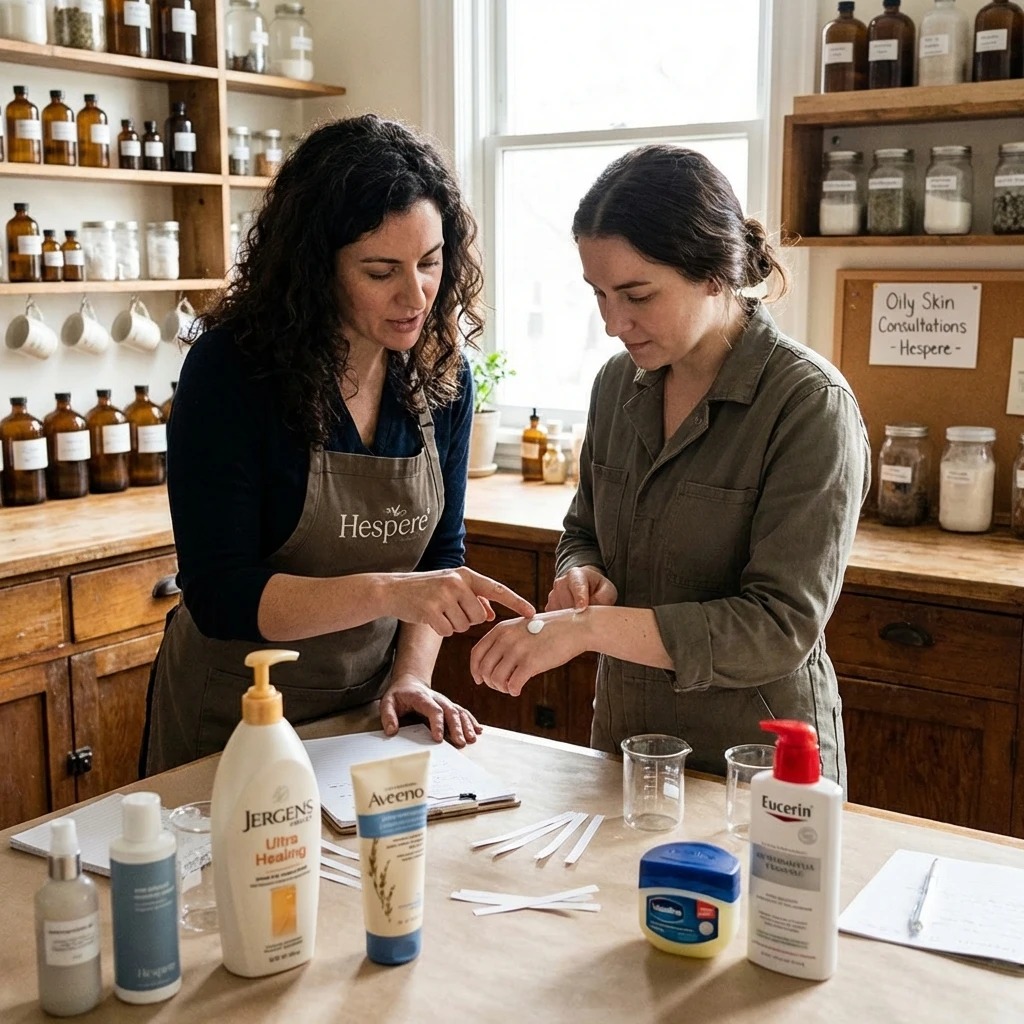
Below are beginner-friendly body moisturizers that can fit different needs. Use them where they make sense, and don’t force one product to solve every problem.
Step 5: A body lotion lineup that keeps it simple
Lubriderm Daily Moisture Lotion, Fragrance Free (paid link)
If you want a no-perfume option for normal to dry skin days, this is the “don’t overthink it” lane. Fragrance-free matters when you’re dealing with sensitivity or you’re already using scented body wash and perfume, because stacking fragrance can turn into a whole situation. Simple pick. Very.
Aveeno Skin Relief Moisturizing Lotion for Sensitive Skin (paid link)
When your skin feels reactive, look for a formula positioned for sensitive skin and barrier support, and keep the rest of your routine boring for a week. This is the kind of product that pairs well with “I started retinoids” or “it’s February and the heat is blasting.” Calm beats complicated.
Eucerin Advanced Repair Body Lotion (paid link)
If you’re dealing with rough texture or persistent dryness, “repair” style lotions often lean on stronger hydrators and exfoliating-support ingredients like urea or lactic acid in some formulas, which dermatologists commonly use for body roughness. Don’t slap it on right after shaving if you’re sensitive. You’ll know why.
Jergens Ultra Healing Lotion (paid link)
A big pump bottle can keep you consistent, which matters more than finding a mythical perfect product. This is a practical body option for daily dryness, especially if you want something you’ll actually use after a shower instead of forgetting in a cabinet. Consistency wins.
Keri Original Dry Skin Lotion (paid link)
If you want a straightforward dry-skin lotion without turning it into a hobby, Keri sits in that classic drugstore lane. It’s a good reminder that “good enough, used often” usually beats “expensive, used twice.”
Aveeno Daily Moisturizing Lotion Tube, 3 Count (paid link)
Tubes are nice when you want one in a gym bag, one at your desk, one at home, because dry hands show up at random. This is also a decent way to stay moisturized without a slippery jar situation. Convenient counts.
Vaseline Original Healing Jelly (paid link)
For cracked spots, think elbows, cuticles, heels, or the corners of your nose when you’ve been blowing it all week, petrolatum is a classic occlusive. Use it as a targeted top layer over lotion, not necessarily all over if you hate that feel. This is the “seal the deal” step.
Cocoa Butter Body Lotion by Nivea (paid link)
Cocoa butter style lotions usually feel richer, which can be great for legs and arms if you run dry, especially in winter. If you’re prone to body breakouts, patch test on one area first. Your back has opinions.
Inis the Energy of the Sea Revitalizing Body Lotion (paid link)
If scent is part of the point for you, a fragranced body lotion can double as a “one and done” step after a shower. Keep it away from irritated patches, and consider using a fragrance-free option on sensitive zones while saving this for places that tolerate it well.
Estée Lauder Beautiful Perfumed Body Lotion (paid link)
This is the grown-up, perfume-forward lane, where the lotion supports the fragrance experience. If your skin tolerates fragrance and you like the ritual, it can replace layering multiple scented products, which sometimes reduces irritation just by simplifying. Also, it’s the kind of thing you put on before a night out and then remember, halfway through dinner, that you smell like you tried.
Step 6: How to shop without spiraling
If you’re here because you searched moisturizer for oily skin, keep one thought in your pocket: oily isn’t the opposite of dry. You can be both oily and dehydrated, and in that case, gentle cleansing plus consistent moisturizing often helps more than stripping products.
A simple way to choose is to rank what matters most right now:
- If you get irritation: prioritize fragrance-free and fewer extras.
- If you get flakes: prioritize barrier support and richer texture on dry zones.
- If you get shine: go lighter on the face, keep body care separate, and don’t “punish” your skin with harsh cleansers.
Also, patch test new products on a small area for a few days. Boring advice. Useful advice.
Key Takeaways That Won’t Hog Your Bathroom Shelf
- A beginner routine is cleanse, moisturize, SPF, and repeat
- Oily skin can still be dehydrated, especially with acne treatments
- Ingredient lists make sense when you look for hydration, softening, and sealing roles
- Fragrance is a real factor, not an afterthought
- Pick products by where you’ll use them: all-over lotion, sensitive-skin lotion, or a targeted occlusive
The search for a moisturizer for oily skin usually starts with shine, but it ends with balance, fewer reactive days, and a routine you don’t dread. Keep your first routine simple, give products a couple weeks before judging, and adjust based on patterns you can actually observe, like how your skin feels after washing and how it looks by mid-afternoon. When you shop, you’re not just buying ingredients, you’re buying a habit, so packaging, scent, and texture matter more than people admit. One quirky tip near the finish line: if you want to remember to moisturize, stash your lotion next to your toothbrush, because your brain already has that nightly autopilot installed. If you want more no-hype help comparing options and building a routine that fits your real life, you can always Contact Hespere for guidance.