Moisturiser for Dry Skin Ingredients Checklist
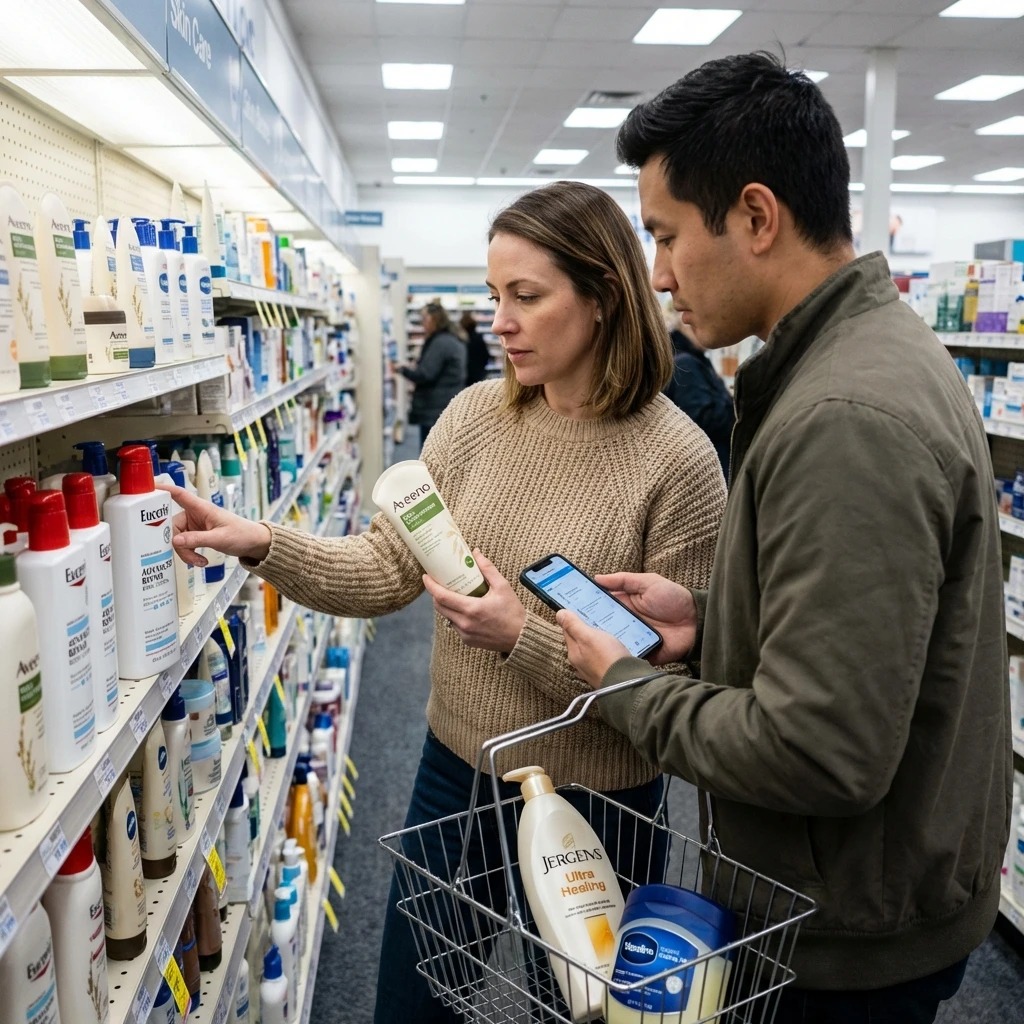
Finding a moisturiser for dry skin is less about chasing a magic bottle and more about reading a label like you mean it, then matching it to how your body actually behaves in real life. At Hespere, we stick to clear routines, ingredient-first guidance, and side-by-side comparisons, because most people do not need ten new products, they need one that makes sense for their skin and their budget.
Dry skin shows up in boring, predictable moments: after a hot shower, on airplane days, halfway through a Canadian winter, or when your office HVAC decides to cosplay the desert. You can be careful, drink water, and still end up with tightness, flaking, or that itchy-shin situation that makes you want to sandpaper your jeans from the inside. There are ways to make it easier without turning your bathroom into a lab.
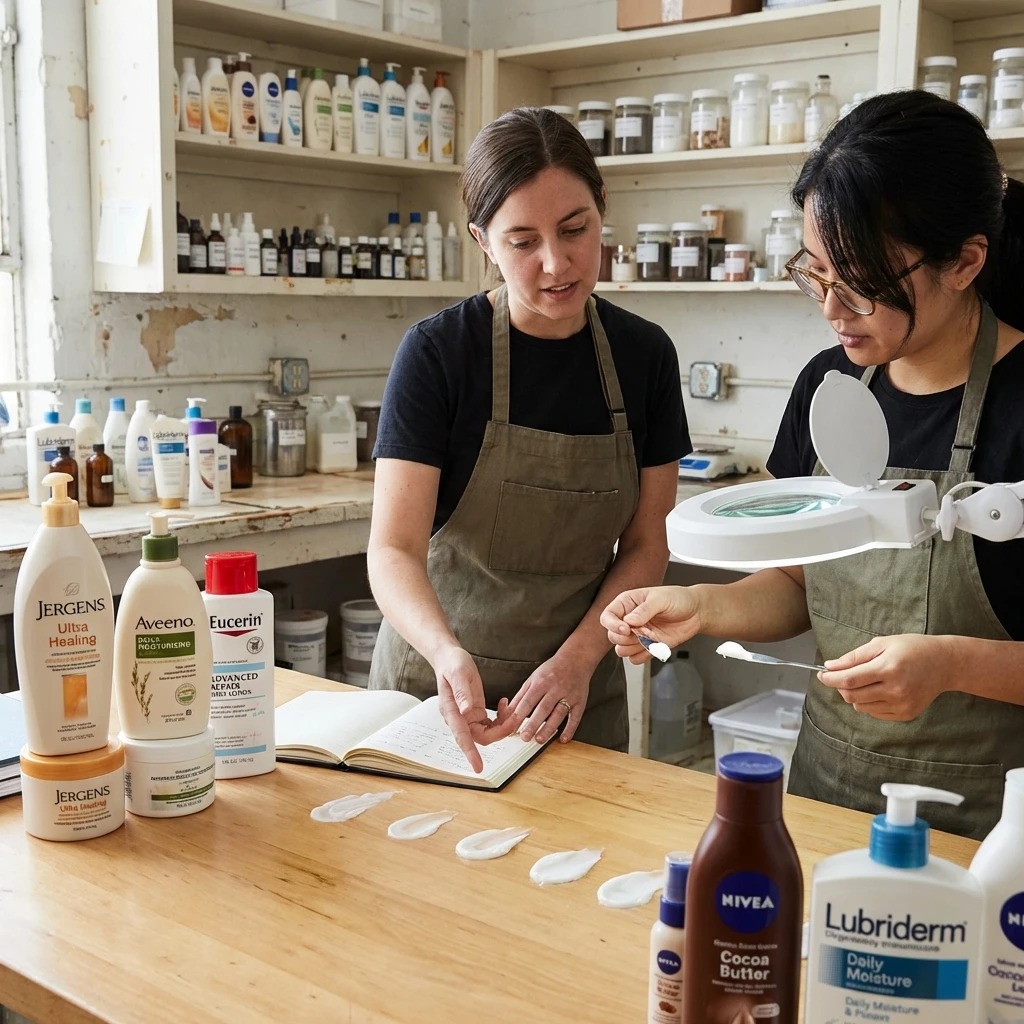
Below is a practical ingredients checklist first, then a comparison of ten body moisturizers at different price points, including fragrance-free basics, sensitive-skin picks, and a couple of premium, scent-forward options, so you can spend smarter and get on with your day.
TL;DR: Dry Skin, Clear Labels, Better Buys
- Dry skin usually needs water-binding ingredients plus barrier support, not just a nicer scent.
- A lotion can feel good and still leave you dry again in two hours if it is missing occlusives.
- Fragrance and essential oils can be fine for some people, and a total mess for reactive skin.
- Think in layers: humectant + emollient + occlusive, then match that to your sensitivity level.
- Pick your lane: daily all-over lotion, targeted repair for rough patches, or a fragrance-forward treat.
The Ingredients Checklist for Moisturiser for Dry Skin
Here is the core idea: dry skin is often a mix of low water content and a leaky barrier, so you want ingredients that pull in water, smooth the surface, and slow down water loss, all in one routine-friendly step, ideally right after bathing while skin is still damp.
Look for these categories on the label:
- Humectants (water binders): glycerin, hyaluronic acid, urea, lactic acid, sorbitol.
- Emollients (surface smoothers): fatty alcohols like cetyl or stearyl alcohol, plant oils, shea butter, cocoa butter.
- Occlusives (sealants): petrolatum, mineral oil, dimethicone, waxes.
- Barrier helpers: ceramides, cholesterol, niacinamide, colloidal oatmeal (also helps itch for some people).
One quick rule. The drier you are, the more you benefit from an occlusive in the mix, even if it is only for rough zones like hands, elbows, or heels.
Budget vs Premium: How to Compare Without Getting Played
A good moisturiser for dry skin is kind of like insulating a drafty window with a mix of weatherstripping and a heavy curtain, not a vibe, not a mood, an actual physical fix, and your skin will tell you fast if you got the balance wrong. Price can reflect fragrance, packaging, brand positioning, and feel, but it does not automatically mean better barrier support.
To keep this grounded, compare products using the same few questions:
- Is it fragrance-free or fragrance-forward? This matters a lot if you get itchy, red, or bumpy.
- Is it built for daily maintenance or repair? Repair usually means thicker, more occlusive, sometimes with urea or petrolatum.
- What is the format and size? Pumps are easier for daily habits, jars and tubes can be better for travel or targeted spots.
Quick comparison table
| What you want | Ingredients signal to look for | What to avoid if reactive |
|---|---|---|
| Daily comfort for normal-dry | glycerin + fatty alcohols + dimethicone | heavy fragrance |
| Rough, scaly, flaky patches | urea or lactic acid + occlusive | strong fragrance, lots of botanicals |
| Very sensitive, itchy-feeling skin | colloidal oatmeal + simple base | perfume, essential oils |
| Overnight seal on cracked areas | petrolatum | fragranced “treatment” balms |
The Side-by-Side Picks (Budget to Premium)
Jergens Ultra Healing Lotion, 32 Ounce (paid link)
If you want a big, daily-use bottle that fits into a no-fuss routine, this is in the “use it everywhere, often” category. Think of it as maintenance for normal-to-dry days, the kind of thing you keep near the shower so you actually apply it. Simple habit beats perfect product. Most days, anyway.
Eucerin Advanced Repair Body Lotion 16.9 Fluid Ounce (paid link)
When your dryness looks and feels more “rough patch” than “a bit tight,” this type of formula often leans into repair-style ingredients, including exfoliating hydrators like urea or lactic acid in many advanced repair lotions. Go slow at first if you are sensitive. One pump can do a lot.
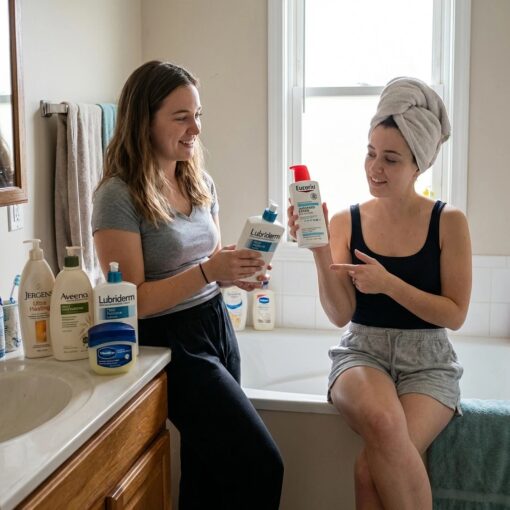
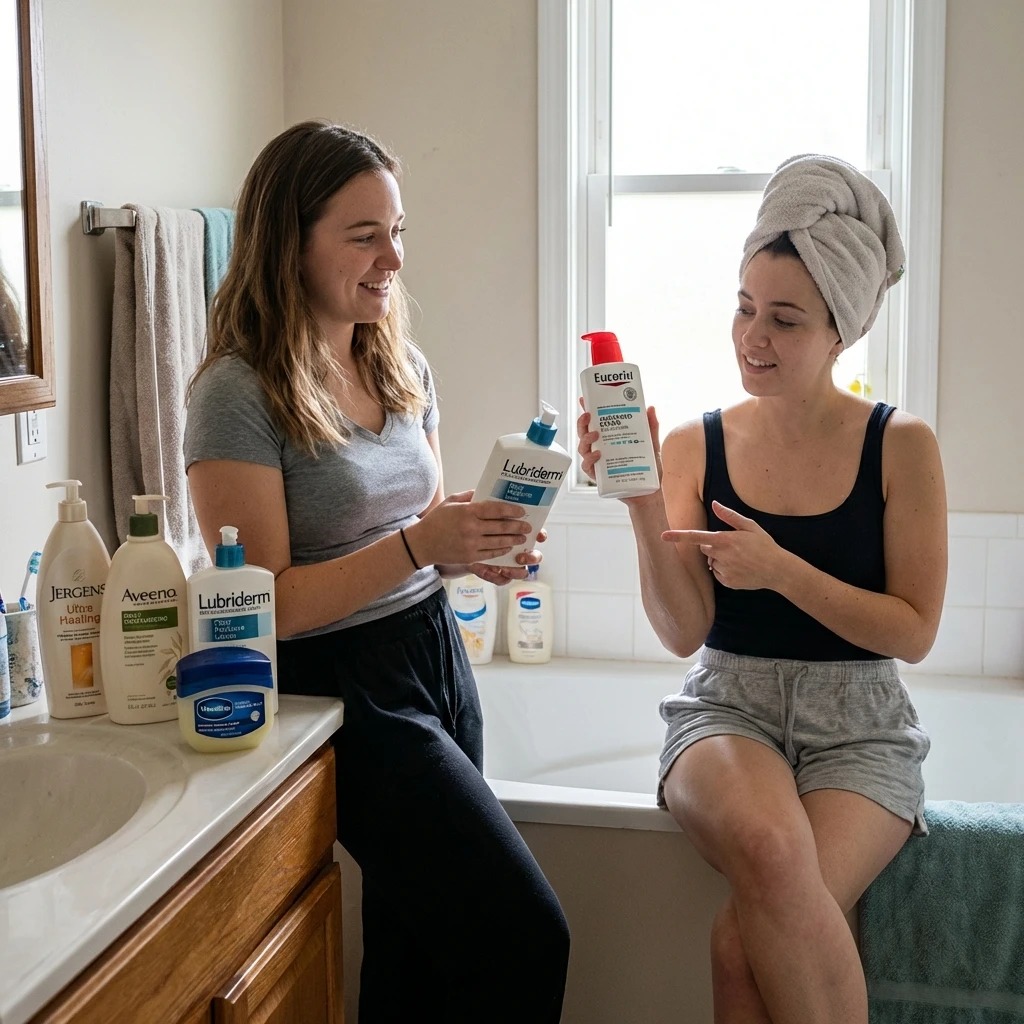
Lubriderm Daily Moisture Lotion, Fragrance Free, 16 oz (paid link)
Fragrance-free makes decision-making easier when your skin throws tantrums. This is the pick for people who want a straightforward daily lotion, nothing perfumey, nothing complicated, just a basic layer that plays well with body sunscreen and does not clash with your perfume.
Aveeno Skin Relief Moisturizing Lotion for Sensitive Skin (paid link)
Aveeno is known for colloidal oatmeal in many of its skin relief products, which is a practical option when “dry” also means “itchy and reactive.” This is the one you reach for after shaving, after a long day in leggings, or anytime your skin feels like it is side-eyeing you.
Aveeno Daily Moisturizing Lotion Tube, 3 Count (paid link)
Tubes change behavior. Toss one in your gym bag, one in your desk, one in your carry-on, and suddenly moisturizing is not a whole production. For North America real life, this is the “post hand-sanitizer in the Target parking lot” move. Convenient counts.
Keri original dry skin lotion, soothing dry skin formula, 20 Oz (paid link)
This sits in that classic drugstore lane: regular use, predictable texture, aimed at dry skin comfort. If you do not want your lotion to smell like anything in particular or argue with your body wash, a simple formula often wins by not causing problems.
Cocoa Butter Body Lotion by Nivea for Unisex (paid link)
Cocoa butter style lotions tend to lean more emollient, meaning they can make skin feel smoother fast, especially on legs and arms. If you like a richer feel, this is a reasonable budget pick, but pay attention if fragrance bothers you. Your nose is allowed to have opinions.
Vaseline Original Healing Jelly, Protects Dry, Cracked Skin (paid link)
This is not a “nice lotion.” It is an occlusive seal, best used as a targeted top coat over lotion on cracked spots, cuticles, heels, and winter knuckles. Put it on damp skin or over your regular lotion and it can cut water loss a lot, which is the whole point.
Inis the Energy of the Sea Revitalizing Body Lotion, 500ml (paid link)
This one sits closer to the “treat” lane: bigger bottle, more sensory experience, and typically purchased as much for the scent and feel as for basic barrier support. If fragrance lifts your mood and your skin tolerates it, it can be a nice daily step. If you are reactive, patch test first.
Estée Lauder Beautiful Perfumed Body Lotion, 248 ml (paid link)
A perfumed body lotion is basically skincare plus fragrance in one step, and the value is in the scent profile and layering with a matching fragrance, not in being the most functional repair product on earth. Use it where your skin behaves, and keep a fragrance-free workhorse for problem zones. That combo is common for a reason.
As an Amazon Associate I earn from qualifying purchases.
How to Choose Your Moisturiser for Dry Skin in Real Life
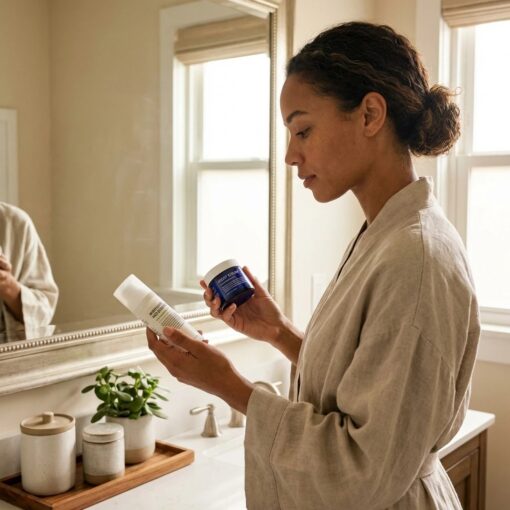
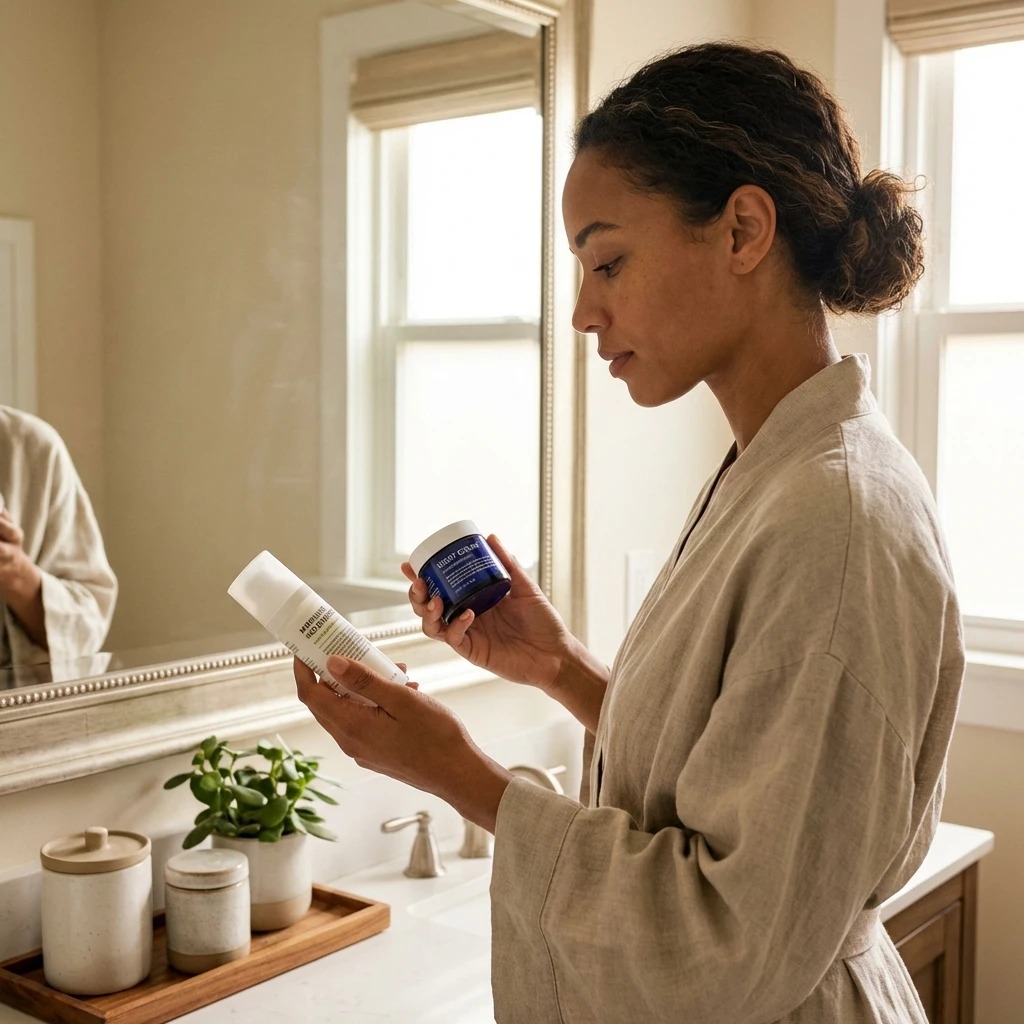
Here is the part people skip: you can own the right product and still feel dry if timing is off, the shower is too hot, or you only moisturize when you remember, which is usually never on weekday mornings. Apply within a few minutes of bathing, while skin is still slightly damp, and do a second pass on the spots that always betray you, like shins, elbows, and hands.
If you are stuck between options, decide based on your “worst week,” not your “best day.” That means if you get irritation easily, start with fragrance-free like Lubriderm Daily Moisture Lotion, Fragrance Free, 16 oz (paid link) or a sensitive-focused option like Aveeno Skin Relief Moisturizing Lotion for Sensitive Skin (paid link), then add a targeted occlusive step with Vaseline Original Healing Jelly (paid link) only where you need it. If you want the scented experience, keep it as the fun layer, not the only layer.
Also, yes, the bottle you will use is better than the bottle you admire. I have seen people keep a “nice” lotion untouched on a shelf while applying nothing, which is like buying good olive oil and then eating dry pasta. One quirky tip near the end: keep a spare tube in the same drawer as your socks, because nobody forgets socks.
Key Takeaways That Won’t Flake Off
- A moisturiser for dry skin works best when it combines humectants, emollients, and an occlusive.
- Fragrance is a preference until your skin is reactive, then it becomes a variable to control.
- Repair-style lotions often suit rough patches, while basic daily lotions suit maintenance.
- Petrolatum products work well as targeted sealants over lotion on cracked areas.
- The best choice is the one you can use daily, right after bathing.
Dry skin does not need a dramatic routine, it needs a repeatable one, and you can build that with either budget staples or a premium pick, as long as the ingredients match your skin and the format matches your habits. If you want one product to do everything, start with a fragrance-free daily lotion and add a targeted sealant for the spots that crack. If you want the scented option too, keep it for “skin is calm” days and do your practical layer first when you are dry or irritated. Over time, your skin usually rewards consistency more than novelty, which is both annoying and kind of freeing. If you want help narrowing it down based on sensitivity, acne-prone body breakouts, or winter-level dryness, you can always build a tighter routine with a couple of smart steps. For more clarity-first guidance, you can Contact Hespere.