
Best Body Moisturiser for Dry Skin 2026
Body moisturiser for dry skin gets weirdly complicated the minute you start reading ingredient labels, because suddenly you are juggling acids, vitamins, ceramides, and a dozen promises that all sound the same. At Hespere, we care about routines that work on real bodies, in real weather, with real budgets, so this 2026 picks guide is built around clarity: what the key ingredients actually do, how to layer them without drama, and how to pick a lotion that fits your skin and your life.
Dry skin is rarely just about forgetting lotion. It is cold air blasting in February, hot showers that feel like a reset button, a commute that goes from heated office to windy sidewalk, and a barrier that gets worn down a little more each day until your shins look ashy and your elbows feel like sandpaper. You want results, but you also want simplicity, and you do not want to play chemist at 11 pm.
So we are going to sort ingredients into plain-English jobs, then connect those jobs to specific body lotions that make sense for different needs, from sensitive-skin days to fragrance-wanting days to the “my hands are cracked and I need help now” days.
TL;DR for ingredient sanity
- Dryness usually comes from a leaky skin barrier plus water loss, not a lack of fancy actives
- The label matters because humectants, emollients, and occlusives do different things
- “Hydrating” can mean water-binding, oil-softening, or sealing, and brands mix those words
- Stronger actives like retinoids and vitamin C are more common in face care, while body care wins with barrier-first ingredients
- A good plan: moisturize on damp skin, seal rough spots, then add targeted actives only where you need them
- The product list below maps to common situations so you can pick fast and move on with your day
As an Amazon Associate I earn from qualifying purchases.
Start here: what your body skin needs (and what it does not)
If your goal is finding a body moisturiser for dry skin, the fastest way to choose is to think in three ingredient buckets: humectants (grab water), emollients (smooth and soften), and occlusives (seal things in). Most good body lotions mix at least two, and the best fits depend on where you are dry, how sensitive you are, and whether you will actually apply it daily.
Here is the offbeat metaphor that helps: humectants are like a sponge in a lunchbox, emollients are the sandwich filling that makes it satisfying, and occlusives are the lid that keeps everything from drying out in your bag. One missing piece, and the whole situation goes sideways. That is the reason “light but hydrating” can disappoint in winter.
One more thing. Your body skin usually tolerates richer textures than your face, so you can lean into barrier support without worrying as much about clogged pores, except on acne-prone areas like the chest and back.
Ingredient decode: hyaluronic acid, glycerin, urea, and friends
Hyaluronic acid gets the headlines, but for body care, glycerin often does the daily heavy lifting because it is common, stable, and plays well with other ingredients. Both are humectants, meaning they help your outer skin layers hold onto water, especially when you apply lotion right after a shower while your skin is still a bit damp.
Urea is another standout in many advanced body formulas, because at the right levels it acts as a humectant and also helps loosen rough, built-up skin, which is why it shows up in products aimed at flaky legs, KP bumps, and winter dryness. Some people feel a mild sting if their skin is cracked. That is normal-ish, but it is still a signal to patch test.
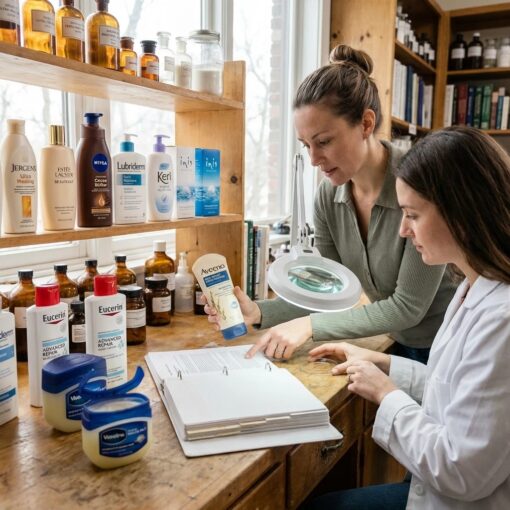
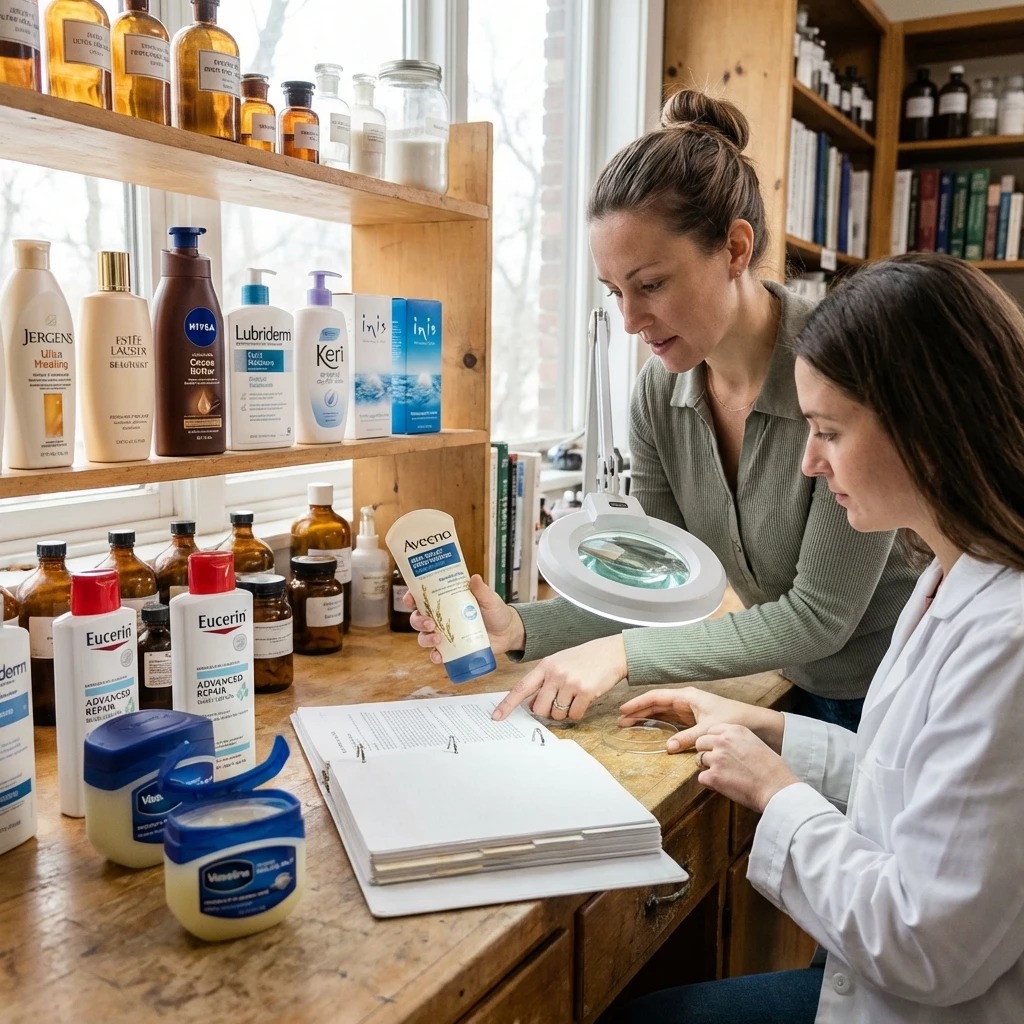
This is where a no-nonsense option like Eucerin Advanced Repair Body Lotion 16.9 Fluid Ounce (paid link) tends to make sense for persistent dryness, because “repair” in body care often points to humectants plus barrier helpers rather than trendy actives.
Ingredient decode: niacinamide, ceramides, oats, and barrier support
When people say their skin is “sensitive,” they often mean their barrier is irritated, reactive, or both. Niacinamide can support barrier function and help with uneven tone over time, but in body lotions, you will more commonly see barrier comfort coming from colloidal oatmeal and lipid support like ceramides, plus fragrance-free formulas that do not poke the bear.
Colloidal oatmeal is one of those ingredients that looks boring until your skin is itchy, tight, or rashy, and then it feels like someone finally turned the thermostat down. Short sentence. Relief matters.
If sensitivity is the main story, Aveeno Skin Relief Moisturizing Lotion for Sensitive Skin (paid link) is a straightforward place to start, and if you want a simpler, fragrance-free daily lotion that still covers normal to dry skin, Lubriderm Daily Moisture Lotion, Fragrance Free (paid link) fits that lane too.
Ingredient decode: retinol and vitamin C for the body (when it is worth it)
Retinol and vitamin C can help with texture and uneven tone, and they are useful tools for concerns like fine lines and dark spots, but they can also irritate, and most people get more mileage from using them strategically instead of slathering them head-to-toe. If you already use retinoids on your face, you know the deal: start low, go slow, and use sunscreen on exposed skin.
On the body, think targeted zones: backs of hands, chest, or areas with sun exposure. Vitamin C products can be finicky because the most studied form, L-ascorbic acid, is less stable in water-based formulas, so many brands use derivatives. That is not bad, it is just a reason results vary, and why barrier-first body care usually wins the cost-benefit math.
If you are building a routine for dry skin first, get that stable, then add actives later if you still care about tone or texture. In North America, that often means you are fighting forced-air heat in winter and high-UV summers, so consistency beats intensity.
Best Body Moisturiser for Dry Skin 2026 Picks: choose by situation
These picks are organized the way people actually shop: by what is happening on your skin right now.
Jergens Ultra Healing Lotion, 32 Ounce (paid link)
A classic “daily driver” style lotion for dry, rough areas like elbows and legs, especially if you want something easy to keep by the sink or couch. Use it after your shower, then again on hands as needed. Easy.
Aveeno Daily Moisturizing Lotion Tube, 3 Count (paid link)
Tubes are handy for gym bags, desk drawers, and travel, and this one is often chosen by people who want a basic, reliable moisturizer without overthinking it. Apply on damp skin, rub in, done, back to life.
Cocoa Butter Body Lotion by Nivea for Unisex (paid link)
Cocoa butter is an emollient that helps soften and smooth, which can feel good when your skin looks dull or feels rough. This is a nice pick if you like that richer body-lotion vibe, especially in colder months.
Keri original dry skin lotion, soothing dry skin formula, 20 Oz (paid link)
If your skin is dry but you do not want something heavy or complicated, Keri is the kind of basic that can keep you consistent. Consistency is the whole game.
Inis the Energy of the Sea Revitalizing Body Lotion, 500ml (paid link)
Sometimes you want your lotion to do the job and feel like a treat. This sits in the “sensory upgrade” category, good for people who actually apply body lotion more often when it smells like something they chose on purpose.
Estée Lauder Beautiful Perfumed Body Lotion, 248 ml (paid link)
This is for fragrance lovers who want a body lotion that pairs with a signature scent, and who are okay treating it like fragrance plus moisture rather than a barrier-repair tool. If you are sensitive, patch test first. One short rule.
Vaseline Original Healing Jelly (paid link)
This is an occlusive, meaning it seals in what is already there. Put it over lotion on cracked knuckles, heels, or around hangnails, especially overnight, and you will usually see a difference by morning because water loss drops fast when you lock things down.
How to actually use a body moisturiser for dry skin (without making it a project)
Timing does more than people think. Apply within a few minutes after showering, when your skin still has some water sitting in the outer layer, then focus extra product on your driest zones, and if you have rough patches, seal them with an occlusive layer like petrolatum on top.
Keep it simple:
- Daytime: lotion on damp skin, sunscreen on exposed areas
- Night: richer lotion, then an occlusive on problem spots if needed
If you are trying retinol or vitamin C on the body, do it on alternate nights, avoid freshly shaved skin at first, and do not forget that hands and chest see sun like your face does.
Key Takeaways (Because dry skin is needy)
- A body moisturiser for dry skin works best when it combines water-binding, softening, and sealing
- Glycerin, urea, and hyaluronic acid support hydration, while oats and fragrance-free formulas help reactive skin
- Use retinol and vitamin C on the body only when dryness is under control, and keep it targeted
- Apply right after showering, then seal rough spots with an occlusive if you need backup
- Pick products by situation, not hype, and you will stick with it
Dry skin is not a personality flaw, it is usually your barrier asking for a better setup, and once you match ingredients to the job you want done, shopping gets a lot less annoying. Keep one lotion where you will actually use it, like next to your bed or by the bathroom sink, and your routine turns into muscle memory. If fragrance motivates you, use it, and if sensitivity rules your life, go fragrance-free and boring on purpose. One quirky detail before you go: if you are reading labels at midnight under a warm bedside lamp while your cat judges you from the laundry basket, you are not alone. The goal is not perfection, it is fewer flaky days.
If you want help matching ingredients to your skin and budget, you can always Contact Hespere for routine guidance that keeps things clear and practical.